In autumn, we still promise ourselves that cold weather won't get in the way of an active lifestyle. We buy new leggings, save our favourite workouts, plan morning runs and even imagine how great we'll feel after exercising. But then November arrives, the alarm goes off while it's still dark, rain is drizzling outside, and a warm duvet suddenly becomes the most persuasive fitness coach in our lives.
Sound familiar? During the colder months, even the most active women often start skipping workouts. First, it's just once, then a few more times – and before long, the only reminder of that gym membership comes in the form of payment notifications.
But there's no need to give up exercise until spring. The secret isn't forcing yourself to be a hero every single day. It's about making workouts convenient, enjoyable and realistic. Here are nine ways to keep your motivation going, even when the weather makes you want to stay indoors.
1. Schedule Your Workouts as Seriously as a Catch-Up with a Friend
In summer, physical activity often happens naturally: a walk after work, a bike ride, a swim or an impromptu game of badminton. In winter, there are fewer opportunities for spontaneous exercise, so it's better not to rely on your mood. Instead, set aside specific times for working out in advance.
Choose two or three days a week and assign each one a specific time. For example, keep Tuesdays and Thursdays for the gym and Sundays for a long walk or a home workout.
The important thing is to make sure your schedule fits your lifestyle. If you hate getting up early, there's no need to force yourself out of bed an hour earlier just to go for a run. Evening workouts after work might be much more comfortable.
Here's another little trick: have a backup plan. Can't make it to your group fitness class? Replace it with a short workout at home. That way, one unexpected delay won't ruin all your fitness plans.
2. Pack Your Gym Bag the Night Before
It sounds almost too simple, but it's often the little things that make us decide to stay home. You need to find your leggings, wash your workout top, look for your socks, charge your headphones, pack a towel… And while you're sorting everything out, your motivation gradually disappears.
Try getting everything ready the night before. Pack your workout clothes, trainers, water bottle and anything else you need. If you exercise at home, lay out your mat and choose your workout video in advance.
You could even create a little ritual: pack your gym bag after your evening shower while listening to your favourite podcast or music. That way, getting ready for a workout becomes a regular part of your day rather than another test of willpower.
It's also worth thinking about your journey to the gym. If getting there after work involves an hour and a half of travelling with several changes, your motivation may quickly disappear. A gym near your home or office can make life much easier.
3. Don't Skip Your Workout Just Because You Only Have 15 Minutes
One of the most common traps is believing that a workout has to last at least an hour. If we don't have time for a full session, we decide it's better to rest. And before we know it, an entire week has gone by.
In reality, even a short burst of activity is better than doing nothing at all on an ordinary day, provided you don't have any medical restrictions.
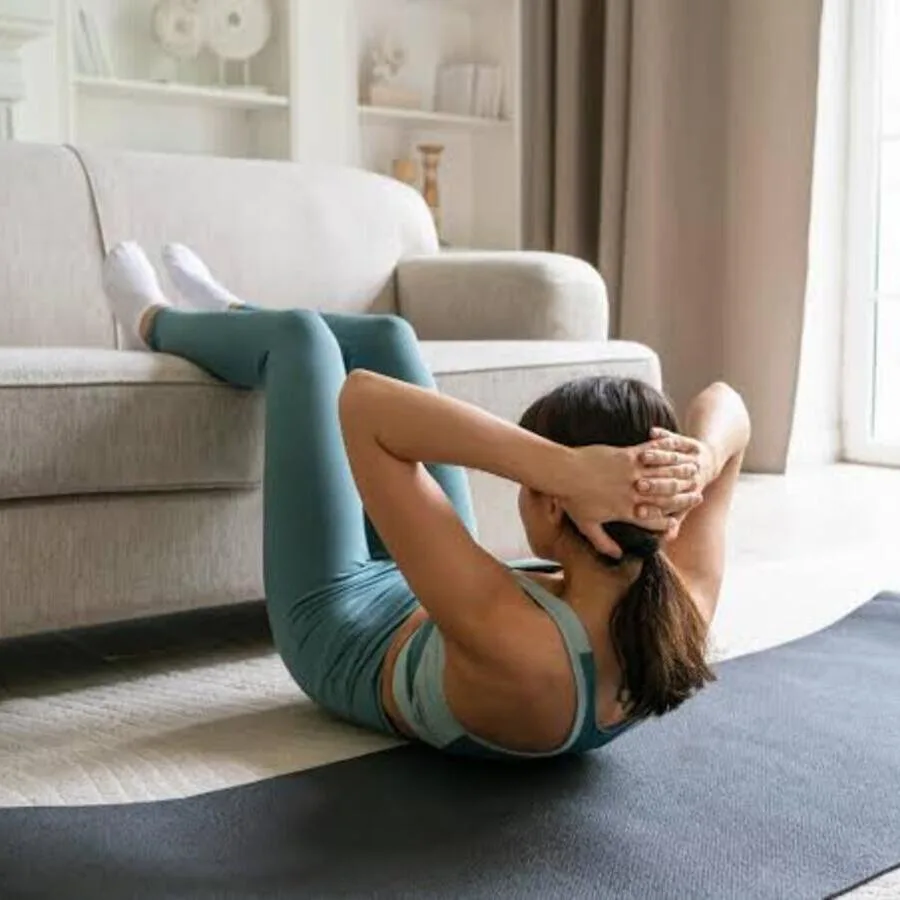
In 15–20 minutes, you can complete several bodyweight exercises: squats, lunges, wall push-ups, planks and exercises for your back and abdominal muscles. Alternatively, you can spend that time stretching or doing some gentle cardio.
Of course, short workouts shouldn't permanently replace a complete exercise programme. However, they're an excellent way to maintain your habit of moving, especially on particularly busy days.
For reference, the World Health Organization recommends that adults get at least 150–300 minutes of moderate-intensity aerobic physical activity per week, along with muscle-strengthening exercises targeting the major muscle groups at least twice a week.
There's no need to try to reach this target in a single day. It's better to gradually build a comfortable and consistent routine.
4. Turn Your Home into a Mini Fitness Studio
When it's raining or snowing outside, or the pavements are slippery, you don't have to force yourself to travel to the gym. It's perfectly possible to move some of your workouts indoors.
To get started, all you need is a mat, a little free space and the desire to move. Put on an online Pilates, yoga, aerobics or dance workout. If you're looking for something more intense, add squats, lunges, planks and push-ups.
A little secret: don't let your home workouts turn into endless repetitions of the same routine. Mix up different types of exercise to stop your sessions from becoming boring.
For example, dedicate Mondays to strength training, Wednesdays to stretching and Saturdays to dance cardio. Resistance bands and light dumbbells can help you add variety to your workouts.
And if you find it difficult to exercise alone, invite a friend to join you for an online workout. You could even arrange a video call: each of you exercises at home, but you can still encourage and support one another.
5. Find a Winter Alternative to Your Favourite Summer Sport
If you love running in the park, cycling or playing tennis, the arrival of colder weather doesn't mean you have to give up your favourite activities.
Simply try to find an indoor alternative:
- Swap outdoor running for sessions on a treadmill.
- Replace bike rides with workouts on an exercise bike.
- Swap outdoor tennis for a game at an indoor sports centre.
- Replace your usual walks with swimming or classes at a dance studio.
You could also try something completely new. Pilates, for example, helps improve movement control, posture and flexibility, while barre combines elements of ballet and fitness.
Don't choose an activity just because it's currently popular on social media. If all you can think about after every session is how quickly you want it to end, it will be difficult to stick with it in the long run.
Your ideal winter sport isn't the one that gets the most likes. It's the one you genuinely look forward to doing again.
6. Dress Properly for Winter Workouts
Cold weather isn't always a reason to give up running or walking outdoors. If conditions are safe, you can continue exercising outside. The key is to wear the right clothing.
The best approach to winter workouts is to dress in layers:
- The base layer wicks moisture away from your body. Choose specialist sports fabrics that dry quickly.
- The middle layer helps retain warmth. This could be a fleece top or lightweight insulated clothing.
- The outer layer protects you from wind, rain and snow.
Don't forget gloves, a hat or headband, and warm sports socks. Your footwear should be suitable for the weather, with soles that provide good grip.
If you exercise after dark, wear reflective details, especially near roads and on poorly lit routes.
However, don't turn your love of sport into a dangerous experiment. During icy conditions, strong winds or extremely low temperatures, it's better to move your workout indoors. No training session is worth risking hypothermia or injury.
7. Don't Declare War on Sweets
During the colder months, we're especially tempted by hot cocoa, freshly baked treats, chocolate and hearty homemade meals. And that's perfectly normal.
Problems arise when we try to increase our physical activity while imposing strict dietary restrictions on ourselves at the same time. Instead of looking after ourselves, we end up feeling guilty all the time: we've eaten dessert, so now we have to work it off at the gym.
This approach is unlikely to help you fall in love with exercise.
Your body needs energy for workouts and recovery. So don't skip meals or drastically reduce your usual portions simply because you want to see results faster.
Aim for a varied diet: include protein-rich foods, vegetables, fruit, complex carbohydrates and healthy fats. If there's a long gap between lunch and your evening workout, plan a snack in advance.
And yes, your favourite slice of cake can still be part of your life. A healthy lifestyle isn't about constantly fighting against life's little pleasures. It's about finding balance.
8. Don't Punish Yourself for Missing Workouts
Even the best-laid plans can sometimes fall apart. A busy period at work, family commitments, a cold or simply feeling exhausted may force you to cancel a workout.
At times like these, it's important not to fall into the all-or-nothing mindset. Missing one session doesn't mean your fitness routine is ruined. Missing two isn't a reason to put off getting back on track until next Monday, either.
Simply pick up where you left off with your next scheduled workout.
There's no need to double the number of exercises to make up for a missed session. This is especially important if you've taken a break of several weeks: you should gradually return to your previous level of activity rather than jumping straight back into it.
If you regularly cancel workouts, try to be honest with yourself about the reason. Perhaps the sessions are too demanding, the timing doesn't suit you, or getting to the gym takes too much energy. Adjust your schedule, try a different type of workout or temporarily move some of your sessions to your home.
And remember: rest is also an important part of looking after your body. You don't have to be at your most productive every single day.
9. Add More Movement to Your Everyday Routine
You don't have to go to the gym every day to stay active. Sometimes the best way to keep moving is simply to make the most of the little opportunities that come up throughout the day.
Try walking one or two bus stops instead of taking transport, using the stairs instead of the lift, or going for a short walk during your lunch break.
If you work at a computer, make a habit of getting up from your desk regularly. A few minutes of walking and some gentle shoulder and back movements can help break up long periods of sitting.
At home, put on your favourite music and dance while preparing dinner. Or walk around the room while talking on the phone instead of spending the entire conversation sitting on the sofa.
There are plenty of weekend activities to choose from, too: a swimming pool, an indoor ice rink, a sports centre or a walk through a winter park, weather permitting.
Don't underestimate the benefits of an ordinary walk. Walking also helps increase your overall level of physical activity throughout the day.