ONLINE WOMEN’S MAGAZINE
STARS
There are films you simply watch. And then there are films that stay with you — in quotes, in feelings, in that inner voice that suddenly appears at the most unexpected moments.
There are films you simply watch. And then there are films that stay with you — in quotes, in feelings, in that inner voice that suddenly appears at the most unexpected moments.
“The Devil Wears Prada” is exactly one of those films.
Twenty years later, fans can still recite the iconic cerulean monologue by heart. And it’s no longer just a scene from a movie — it has become a cultural code, part of conversations about fashion, ambition, and female strength.
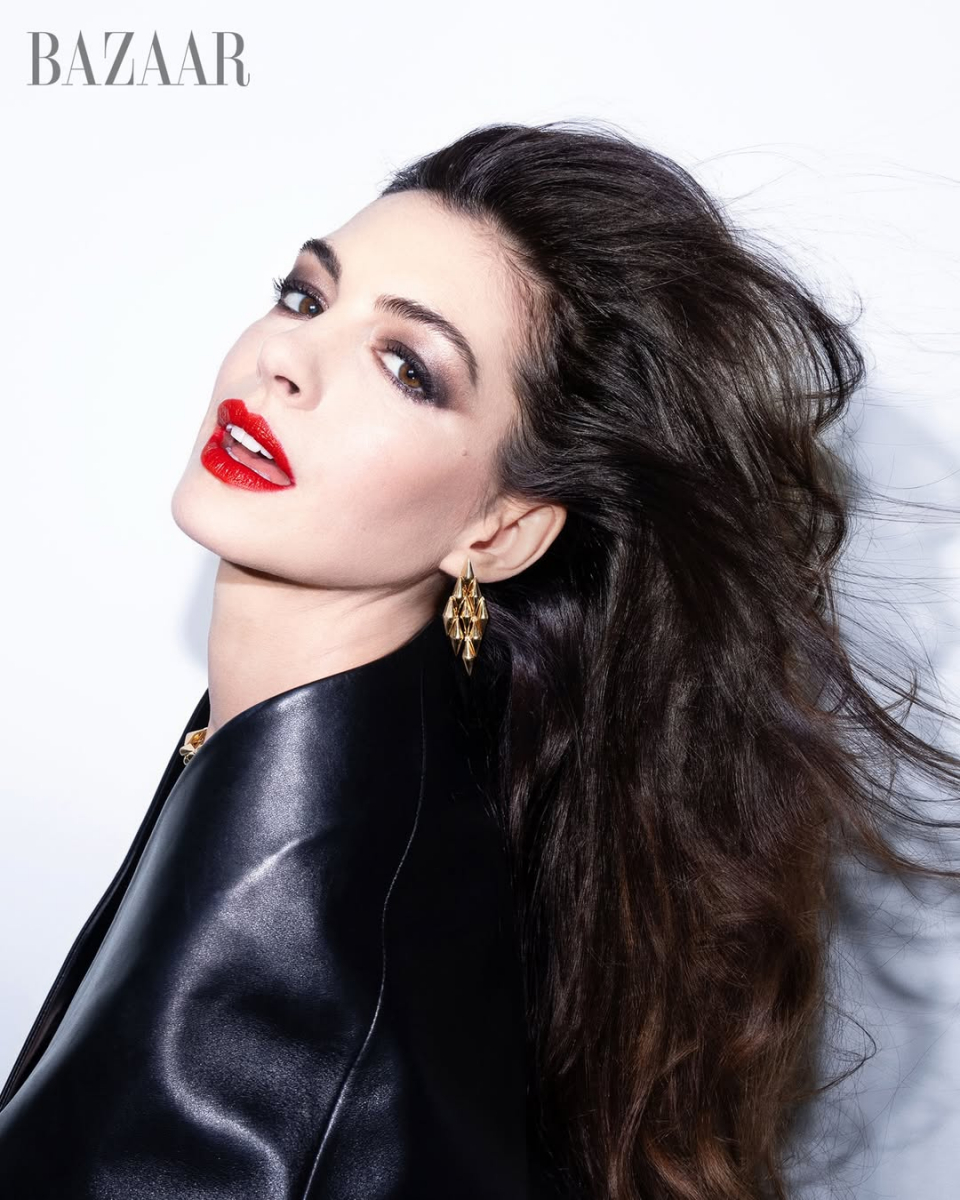
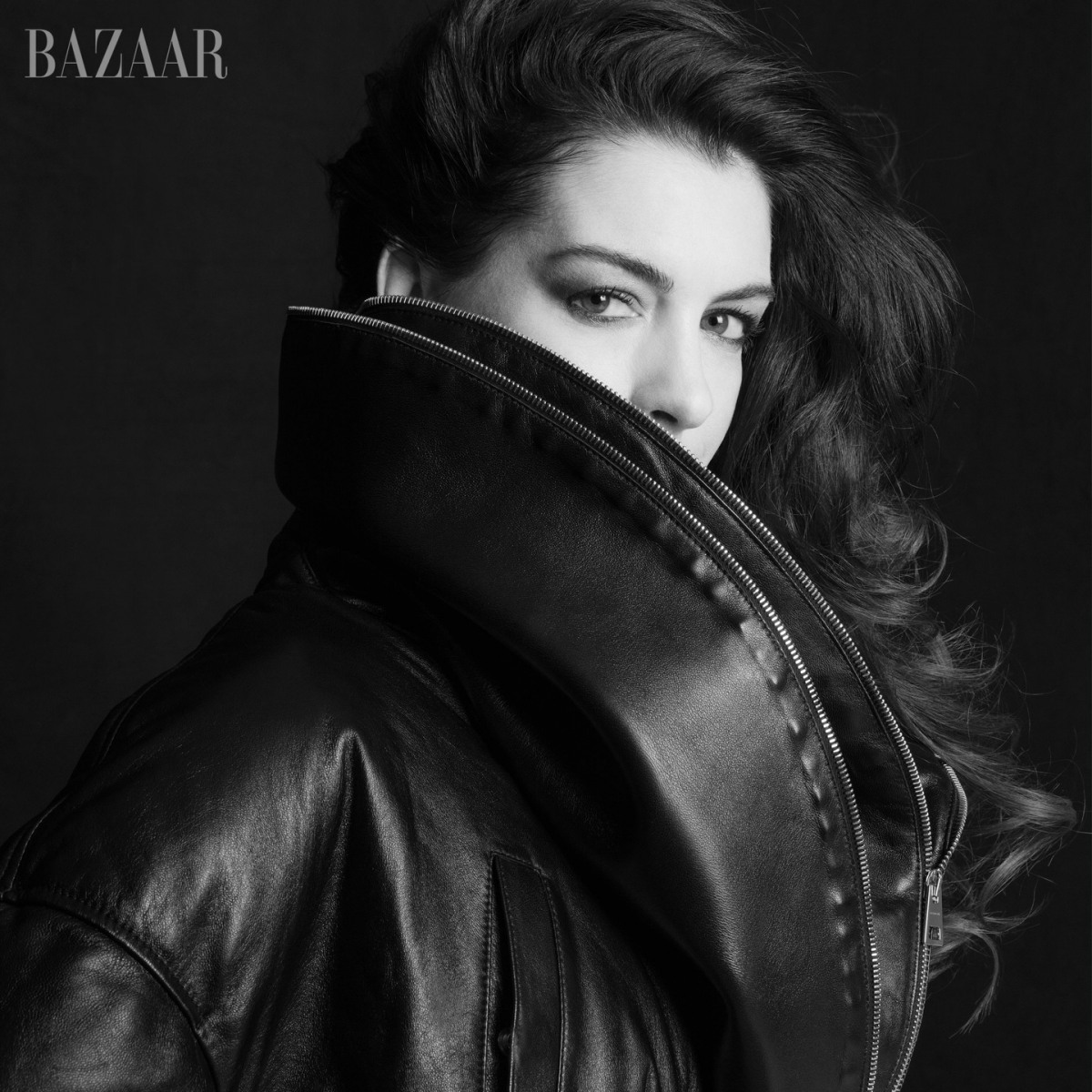
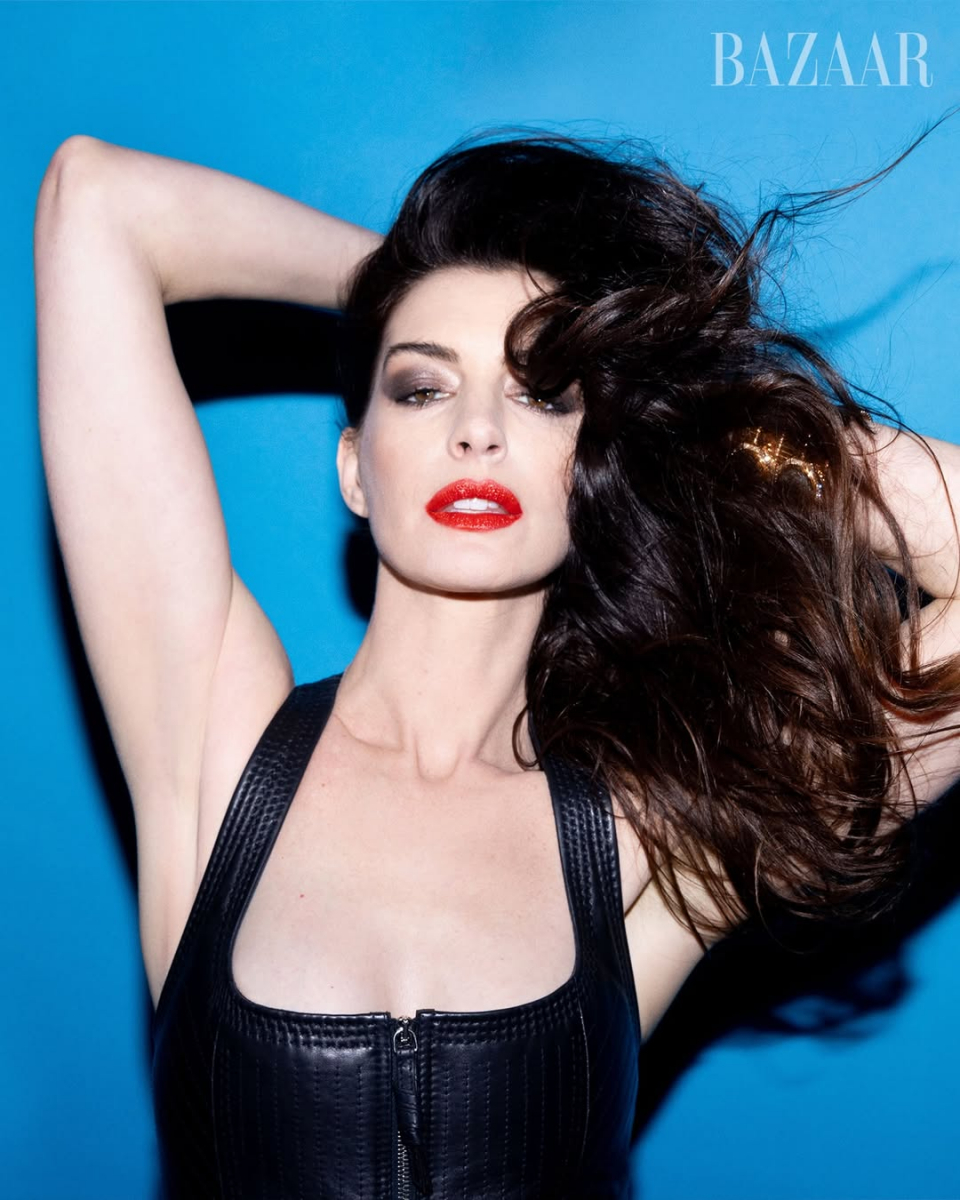
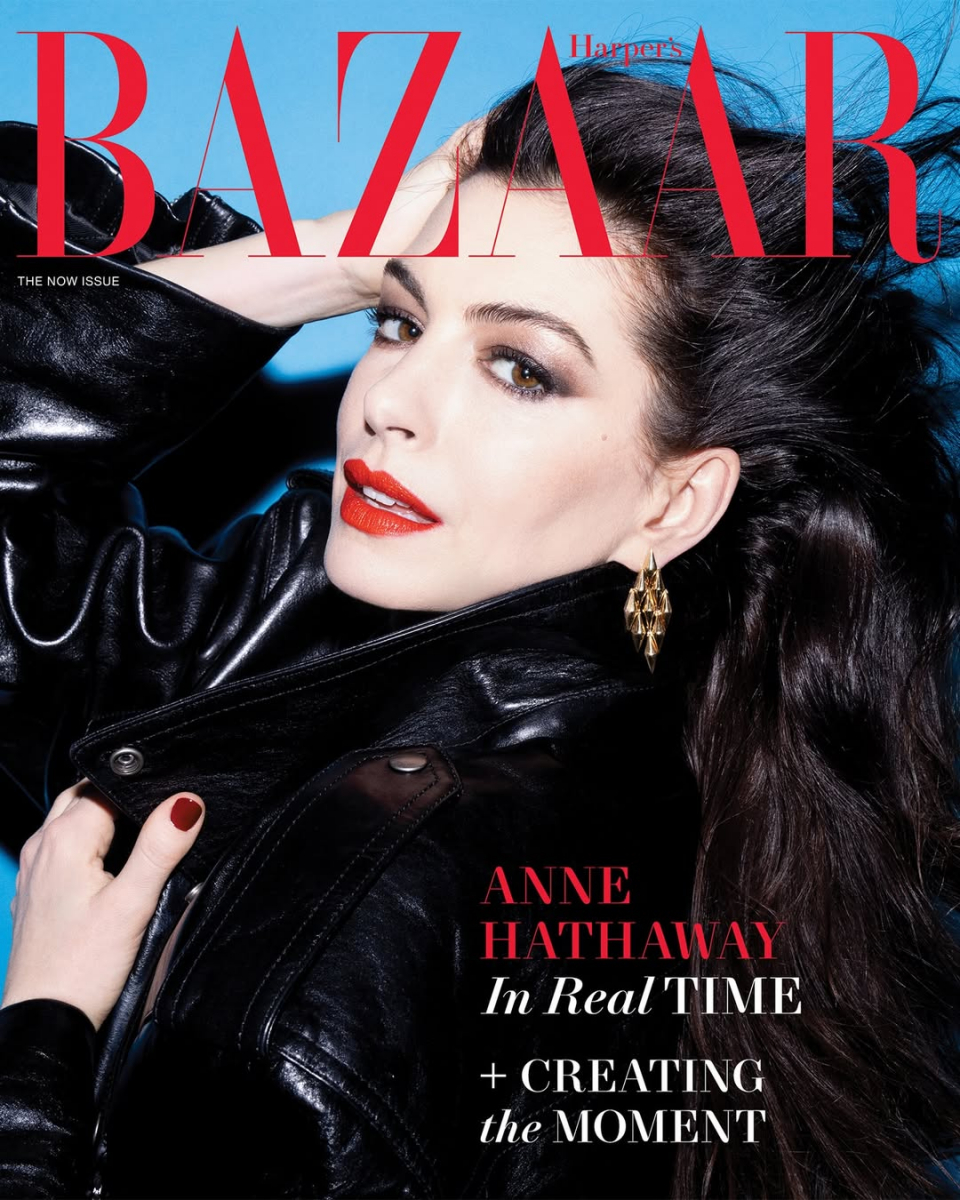
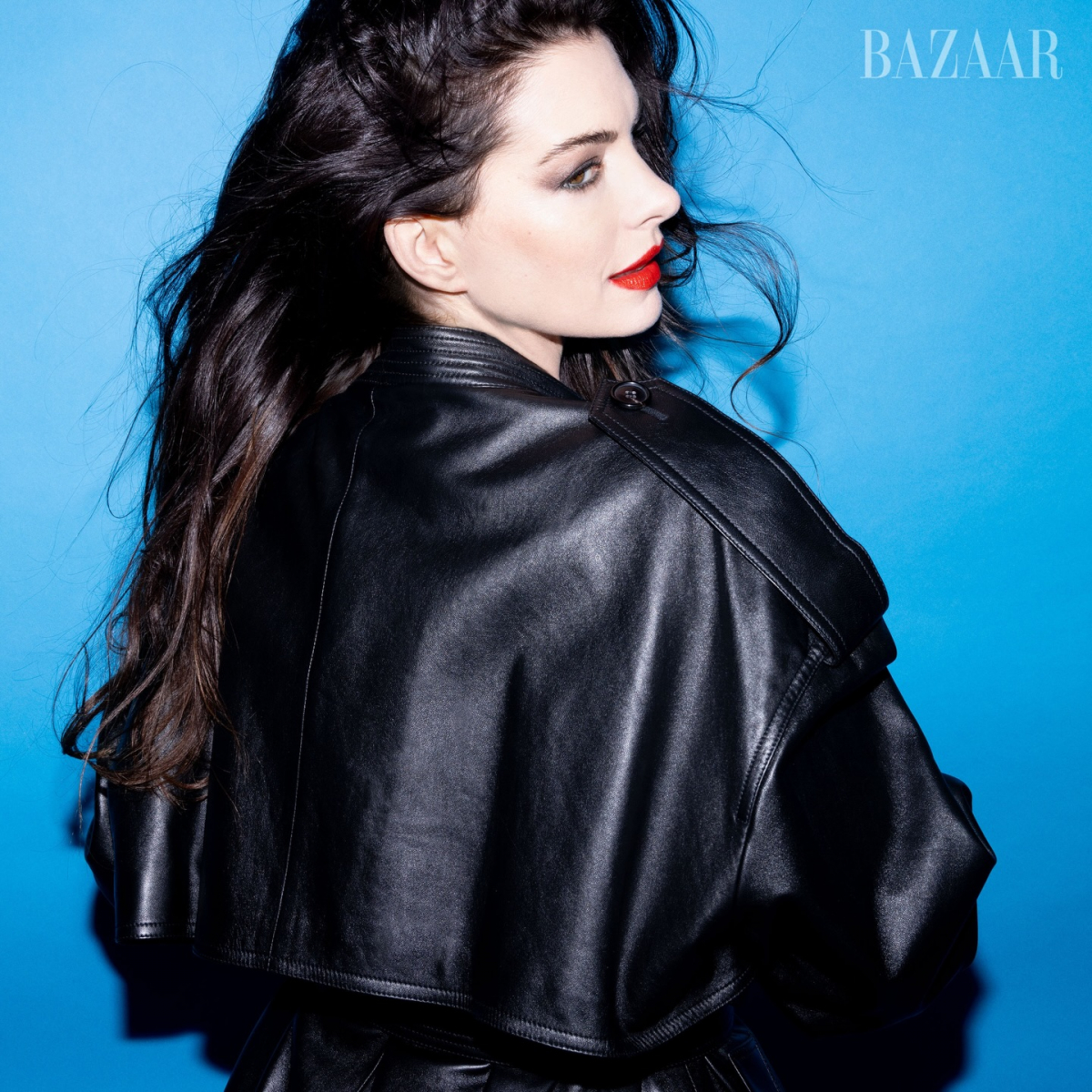
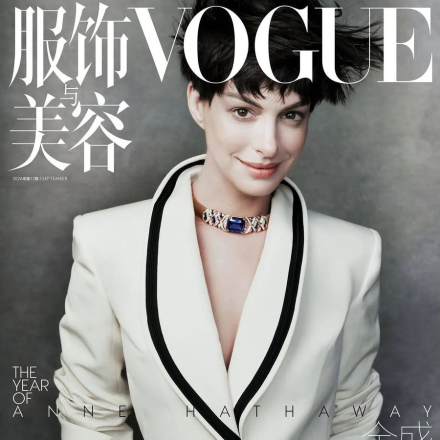
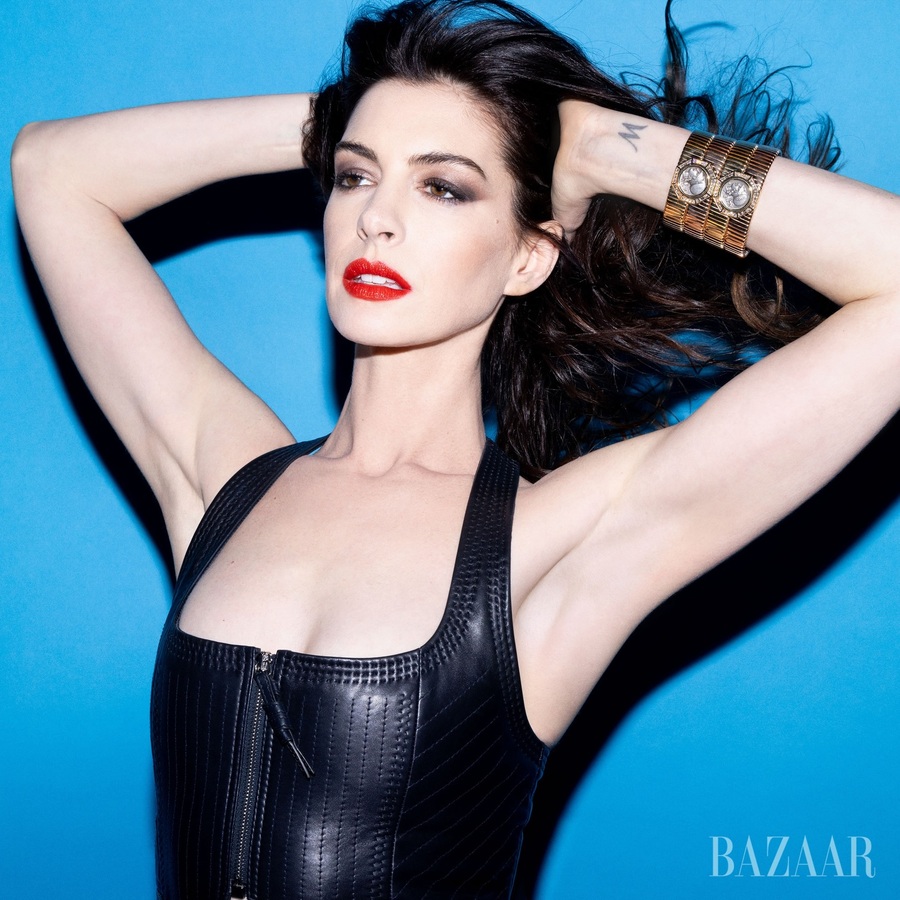
During the cover shoot for NOW’s April issue with Anne Hathaway, journalists once again asked the question that has echoed for two decades:
why does this film still work?
And the answer, at its core, is always the same — it turned out to be more precise than the time in which it was made.
“The Devil Wears Prada” is not just a story about the fashion industry. It is a story about choices:
And that is exactly why it never ages.
The cerulean monologue scene has long gone beyond the film itself.
It is the moment when fashion stops being “just clothing” and becomes a system of influence. Where every shade of blue becomes part of a chain of decisions, trends, and power.
Miranda Priestly’s line is no longer just a quote — it has become a reminder of how quietly the world around us is shaped.
And perhaps that is why viewers “took it into their hearts and never really let it go.”
Anne Hathaway’s character goes through a journey familiar to many viewers: from confusion to inner strength.
Today, her character is seen differently — no longer as “a girl trapped in the fashion hellscape,” but as someone learning to understand her own boundaries.
And that is what keeps the film so strikingly alive even decades later.
Are you a man?
Visit MEN'S CULT