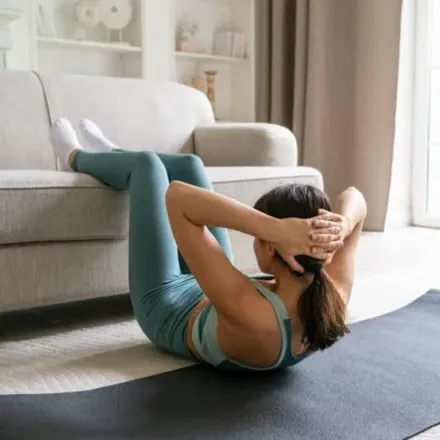
One partner dreams of a glass of wine and dancing until dawn, while the other sets a 6 a.m. alarm for a morning run. One orders a pizza with extra cheese; the other carefully weighs their broccoli. It may sound like a harmless difference in preferences, but when it comes to relationships, these contrasting lifestyles can become a real source of tension.
There's a new challenge facing modern couples: the wellness gap — the difference between partners in their attitudes towards health, fitness, nutrition, and self-care. While one person may be focused on longevity, healthy eating, and regular workouts, the other may prefer a more relaxed approach to life.
At first, these differences can even seem attractive. After all, opposites attract. But over time, what once felt like a charming contrast can turn into a source of arguments, resentment, and frustration. So why can a commitment to healthy living put a relationship to the test?
When Love Meets a Fitness Tracker
Taking care of yourself is generally a good thing. Regular exercise, balanced nutrition, quality sleep, and attention to mental health can all contribute to a better quality of life. The problem begins when partners have completely different ideas about what a healthy lifestyle should look like.
Imagine one person planning weekends around long runs, yoga classes, and carefully prepared meals, while the other looks forward to spontaneous dinners out, lazy mornings, and evenings with friends. Neither approach is necessarily wrong. The tension arises when one partner starts expecting the other to follow the same routine.
Wellness gap isn't simply about one person eating vegetables and the other reaching for a burger. It's about different priorities, daily routines, spending habits, and even ideas about what a happy life together should look like.
Why Wellness Gap Can Put Even a Strong Relationship Under Pressure
1. There's Less Time to Spend Together
When one partner spends evenings at the gym, gets up before sunrise for a workout, and follows a strict sleep schedule, finding time for shared activities can become surprisingly difficult. The other person may feel that their relationship is constantly competing with training sessions, wellness routines, and personal goals.
2. Even Dinner Turns Into a Negotiation
Food is one of the simplest ways couples connect — until they stop agreeing on what to eat. One wants to order takeout, the other insists on cooking a balanced meal. A casual dinner can turn into a discussion about calories, ingredients, sugar, and portion sizes. Eventually, eating together may feel more like a compromise than a pleasure.
3. Fitness Starts Competing With the Family Budget
Gym memberships, personal trainers, supplements, sportswear, healthy meal plans, and wellness retreats can add up quickly. If one partner is happy to spend a significant amount on these things while the other considers them unnecessary expenses, money can become another source of conflict.
4. One Partner Becomes the Other's Personal Assistant
Sometimes, a person who is passionate about healthy living expects their partner to support every aspect of their routine: preparing special meals, buying specific products, adjusting family plans around workouts, or taking on extra responsibilities. What starts as encouragement can gradually become an unfair division of everyday tasks.
5. Healthy Habits Turn Into a Competition
Who gets more steps? Who eats better? Who works out more often? When self-care becomes a competition, partners may start judging each other's choices. One can develop a sense of superiority, while the other feels constantly criticised. And there's little room for warmth when every lifestyle decision becomes a test of who is doing things "right."
6. Ideas About Attractiveness Begin to Change
As people adopt new habits, their expectations can change too. Someone who once enjoyed relaxed evenings and spontaneous treats may become more focused on fitness, body shape, and discipline. Their partner may feel pressured to change their appearance or lifestyle to remain attractive in their eyes. This can undermine confidence and create emotional distance.
7. Partners Imagine Different Futures
One person may dream of active holidays, hiking trips, early mornings, and a carefully planned daily routine. The other may picture slow weekends, restaurant visits, travel without a strict schedule, and plenty of spontaneous adventures. These differences can become especially important when couples start discussing long-term plans, family life, and shared priorities.
Why Is Wellness Gap Becoming More Common?
Healthy living has become more than a personal choice — it's increasingly part of modern culture. Social media is full of fitness challenges, nutrition advice, workout routines, and stories about longevity. Wellness influencers encourage people to optimise everything from their sleep to their morning coffee.
At the same time, people are paying more attention to ageing well and maintaining their health for as long as possible. For many, exercise, nutrition, and self-care are no longer occasional habits but an essential part of their identity.
Social media can make the differences between partners even more noticeable. When one person constantly sees idealised images of disciplined, fitness-focused lifestyles, they may start comparing their own habits — and their partner's — with unrealistic standards.
As a result, wellness gap is becoming a relationship issue that deserves attention. Not because healthy habits are harmful, but because they can create tension when they leave no room for different preferences and personal boundaries.
Can You Love Each Other If One Runs Marathons and the Other Loves Pizza?
Absolutely. Different approaches to health and lifestyle don't have to be a deal-breaker. A successful relationship doesn't require two people to eat the same food, follow identical workout schedules, or share every personal interest.
What matters is the ability to respect each other's choices without trying to change or control one another. Here are a few ways to keep wellness gap from becoming a serious relationship problem:
- Let each other be different. Your partner doesn't have to adopt your diet, workout routine, or morning habits to prove they care about you.
- Find activities you both enjoy. Walking together, cycling, dancing, swimming, or cooking a meal can help you spend quality time together without turning everything into a fitness challenge.
- Don't confuse care with control. Supporting your partner is one thing; monitoring what they eat, criticising their body, or commenting on every lifestyle choice is quite another.
- Make time for each other. Workouts, hobbies, and personal routines are important, but so are shared evenings, relaxed weekends, and moments when you can simply enjoy being together.
- Talk openly about money and responsibilities. Agree on how much you're comfortable spending on wellness and make sure one person's routine doesn't unfairly increase the other's workload.
- Don't measure love in steps and calories. A partner's commitment to you cannot be judged by how often they visit the gym or how carefully they follow a meal plan.