ONLINE WOMEN’S MAGAZINE
HEALTH
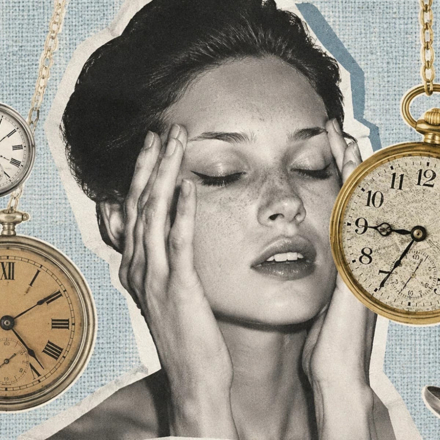
Each of us has experienced at least once that emptiness and fatigue that doesn’t go away even after sleep or rest. This isn’t just physical tiredness—it’s emotional exhaustion, which affects mood, productivity, relationships, and physical health. Ignoring it won’t help: the problem won’t disappear on its own. But there are strategies that can help restore your inner balance and bring back the joy of life.
Each of us has experienced at least once that emptiness and fatigue that doesn’t go away even after sleep or rest. This isn’t just physical tiredness—it’s emotional exhaustion, which affects mood, productivity, relationships, and physical health. Ignoring it won’t help: the problem won’t disappear on its own. But there are strategies that can help restore your inner balance and bring back the joy of life.
Mental exhaustion rarely comes suddenly. It grows from long-suppressed feelings: anger, resentment, disappointment, or fear. It’s important to acknowledge to yourself what you have endured and ignored. Mindfully experiencing your emotions is the first step toward recovery and inner strength.
When your mind is tired, your body becomes your support. Gentle physical practices help shift from a state of tension to a state of safety:
This helps reduce stress and kickstart the healing process.
Women often become mentally exhausted from constantly trying to meet others’ expectations. Recognize that some tasks are done “because you have to” rather than “because you want to.” Reducing unnecessary roles and responsibilities helps restore strength and a sense of control without shirking responsibility.
Frequent violation of personal boundaries is a source of chronic fatigue. Ask yourself: in which situations do you give in, stay silent, or ignore your needs? Learning to say “no” and protect your space restores energy and balance.
Stopping before you are completely drained is essential. A mindful pause prevents chronic fatigue and helps maintain your nervous system in balance.
Feeling powerless intensifies mental exhaustion. Small steps restore a sense of control:
Recovery is a process, not a task with a deadline. Allow yourself to move slowly, with pauses and setbacks. This reduces internal tension and makes the path to stability sustainable.
When emotionally exhausted, it’s important to calm your nervous system, not numb stress with distractions. Helpful practices include:
Mental exhaustion is a signal for change, not a breakdown. Ask yourself: “Who do I want to become next?” This helps turn a crisis into an opportunity for growth.
If the condition is chronic and accompanied by anxiety or depression, talking with a psychologist or psychotherapist can help understand the causes and choose the right steps toward recovery.

Are you a man?
Visit MEN'S CULT