
ONLINE WOMEN’S MAGAZINE
HEALTH
The cold months are a real challenge for the body. Lack of sunlight reduces vitamin D production, which affects bones, the immune system, mood, and energy levels. Fortunately, there are simple and effective ways to stay healthy and energized even in winter.
The cold months are a real challenge for the body. Lack of sunlight reduces vitamin D production, which affects bones, the immune system, mood, and energy levels. Fortunately, there are simple and effective ways to stay healthy and energized even in winter.
The most obvious signs of deficiency are: constant fatigue, drowsiness, and difficulty concentrating. Muscle weakness, back and joint pain, brittle hair and nails, and dry skin may also occur. Mood swings and irritability are common, and the immune system becomes more vulnerable — frequent colds and infections often indicate a vitamin D deficiency.
Sunlight Even in Winter
Try to spend at least 15–20 minutes outdoors in the first part of the day. Even weak winter sunlight stimulates vitamin D production and supports mental health. Sit on a park bench or balcony — a small but powerful source of energy.
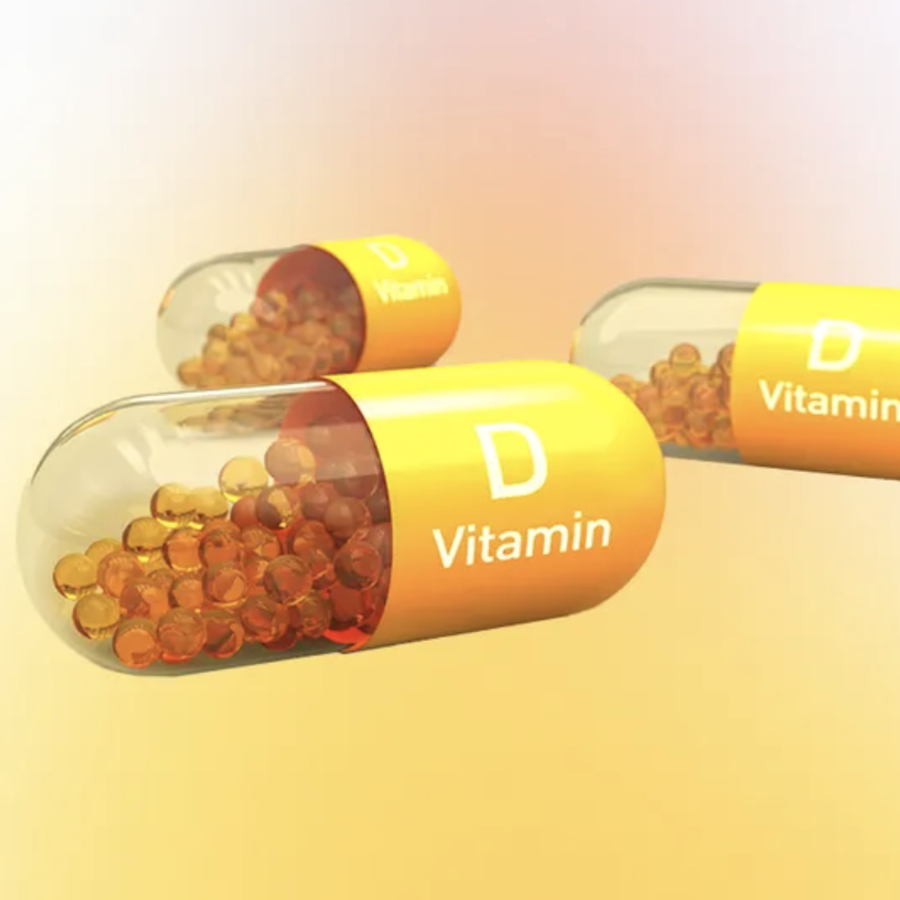
Vitamin D Supplements
The optimal form is vitamin D3, which is well absorbed and supports bones, immunity, and overall well-being. Before starting a supplement, consult your doctor to determine the correct dosage.
Vitamin D–Rich Foods
UVB Lamps for Home
Special UVB-spectrum lamps help the skin synthesize vitamin D, especially if you spend a lot of time indoors without sunlight.
Outdoor Physical Activity
Walking, jogging, or light exercise for 20–30 minutes several times a week supports metabolism, strengthens the immune system, and improves mood.
Contrast Showers and Hardening
Alternating warm and cold water improves circulation and body tone, indirectly aiding vitamin D absorption. Start with alternating temperatures, gradually increasing the difference.
Seeds and Nuts
Add them to salads, yogurt, or soups to improve absorption of fat-soluble vitamins, including vitamin D.
Regular Vitamin D Monitoring
Get blood tests every 3–6 months, especially in winter. This allows timely correction of deficiencies and helps prevent fatigue, weakness, and immune problems.
Are you a man?
Visit MEN'S CULT