ONLINE WOMEN’S MAGAZINE
HEALTH
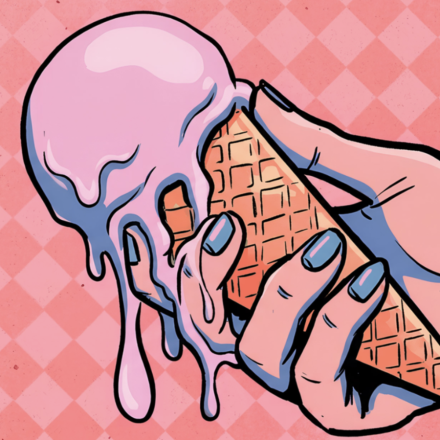
Do you often find yourself drawn to the fridge at night? If so, you’re not alone. Nighttime cravings don’t develop overnight—they gradually build over the years. The good news is that you can overcome them if you approach the issue mindfully.
Do you often find yourself drawn to the fridge at night? If so, you’re not alone. Nighttime cravings don’t develop overnight—they gradually build over the years. The good news is that you can overcome them if you approach the issue mindfully.
Here are 14 ways to help you stop late-night snacking and make your life easier and more comfortable.
Skipping breakfast or lunch? Then by evening, your body feels real hunger and looks for quick calories. Regular, balanced meals reduce the risk of nighttime overeating and give your body a sense of security.
Quick carbs satisfy hunger fast but only temporarily. Protein and healthy fats provide lasting fullness and stabilize blood sugar levels. Include eggs, fish, meat, legumes, nuts, and oils in every meal.
Many women avoid eating after 6 p.m., hoping to skip nighttime snacks. Often, this backfires—hunger increases. A mindful dinner with fresh, healthy foods helps you get to bed without obsessive thoughts about the fridge.
If 4–5 hours pass between dinner and sleep, your body starts asking for a “refuel.” A light snack 1–1.5 hours before bed—nuts, pumpkin seeds, cooked vegetables, or a banana—solves the problem.
Evening cravings often come from tiredness, stress, or emotional exhaustion. Before eating, ask yourself: “Am I really hungry, or do I need rest?” Honest self-checks help you control your habits.
If every evening ends with a bag of chips, your brain perceives it as normal. Replace the ritual with a warm shower, herbal tea, a book, or music—over time, the desire to eat at night will decrease.
We often confuse hunger with thirst. A glass of water, hot cocoa with dark chocolate, or herbal tea can completely replace a nighttime snack.
Sweets and pastries cause a rapid spike in blood sugar, followed by an energy crash—especially in the evening. Slow carbs, protein, and healthy fats keep you full longer and prevent nighttime overeating.
If giving up late-night snacks is difficult, make them mindful. Choose healthy foods and focus on taste and texture—this helps you eat less and enjoy the experience.
Seeing food triggers the urge to eat it. Keep sweets and snacks in closed cabinets—it’s easier to resist, and it’s best to minimize stockpiling.
Lack of sleep increases appetite, especially for sweets and high-calorie foods. Going to bed early reduces the time available for evening snacking and supports your body’s recovery.
Working late, social media, bright lights—all overload the nervous system. Skip scrolling, dim the lights, and dedicate time to calm hobbies—your body will stop seeking relaxation through food.
Completely forbidding food increases cravings. If you truly want a snack, choose nutritious and healthy options. When food stops being “forbidden,” emotional cravings decrease.
For many, eating is a way to cope with emotions, anxiety, or fatigue. The higher the stress, the greater the likelihood of nighttime snacking. Walks, rest, heartfelt conversations, and support from loved ones help manage this habit.

Are you a man?
Visit MEN'S CULT