ONLINE WOMEN’S MAGAZINE
HEALTH
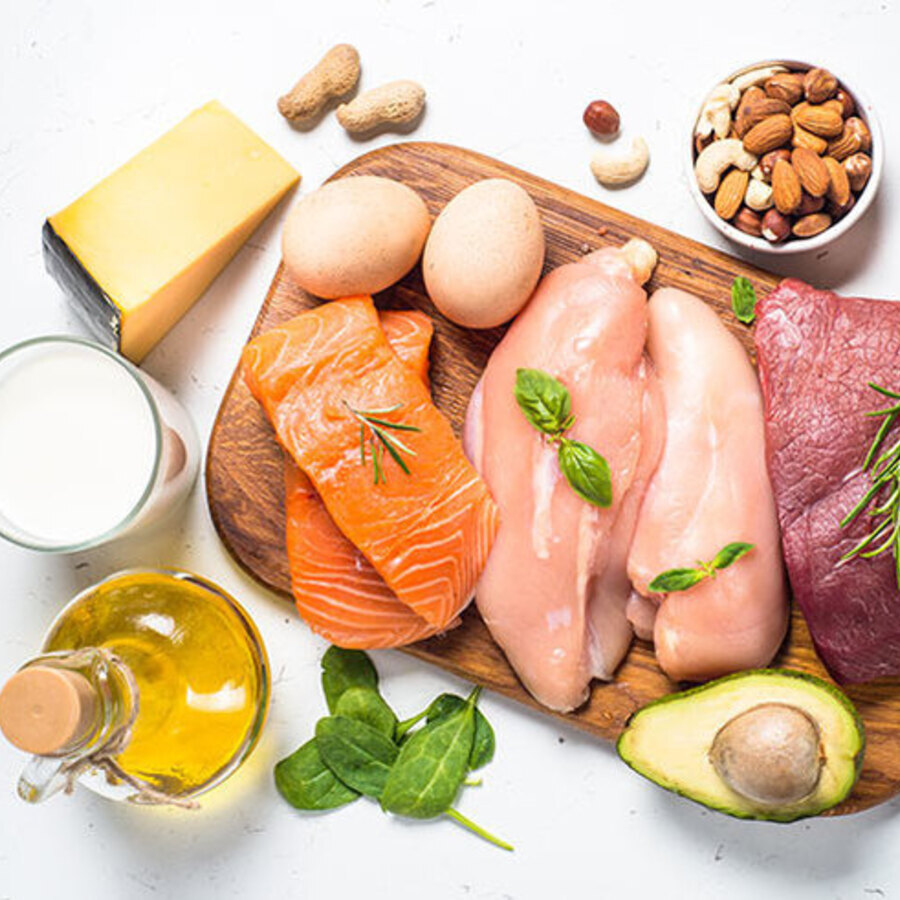
Protein is the body’s main building block. It helps build muscle, supports the immune system, and keeps you energized. But too much protein can be just as harmful as too little. Here’s how to know if you’re overdoing it and how to balance your diet.
Protein is the body’s main building block. It helps build muscle, supports the immune system, and keeps you energized. But too much protein can be just as harmful as too little. Here’s how to know if you’re overdoing it and how to balance your diet.
If you’re drinking water constantly but your tongue feels sticky and you’re still thirsty, you may be consuming too much protein. The body actively removes protein waste through the kidneys, increasing your need for fluids.
What to do: Drink enough water and eat fruits and vegetables with high water content—cucumbers, watermelon, citrus. Aim for about 1 gram of protein per kilogram of body weight with moderate activity.
Excess protein can slow down digestion and create a feeling of heaviness in the stomach.
What to do: Add fiber to your diet—greens, vegetables, whole grains. Pair protein meals with vegetables rather than bread or potatoes. Drink a glass of warm water in the morning to support digestion.
Too much protein can trigger ketosis, producing ketone bodies that cause a smell like acetone or “rotten fruit.” Chewing gum only helps temporarily.
What to do: Include whole grains, legumes, and other complex carbs in your diet. Don’t replace full meals with protein shakes.
The kidneys are the first to react to excess protein by excreting its waste. This can show up as lower back pain, morning swelling, and changes in urine color.
What to do: Add plant-based protein sources—nuts, legumes. They are easier to digest and very filling. If discomfort persists, see a doctor.
Excess protein and low carbs reduce serotonin—the “happiness hormone.” This can lead to fatigue, mood swings, and irritability.
What to do: Include quality carbs and healthy fats—nuts, flax seeds, avocado, bananas, cottage cheese, turkey.
Protein foods may seem “diet-friendly,” but many are high in calories. Protein bars, yogurts, and meat snacks can contribute to fat gain.
What to do: Watch portion sizes: a piece of meat or fish should be no bigger than your palm. Swap sweet protein snacks for natural foods. Stay physically active.
Protein is not the main energy source. Too much protein with too few carbs can cause fatigue, headaches, and difficulty concentrating.
What to do: Include healthy carbs in every meal—buckwheat, quinoa, whole wheat pasta, fruits, and vegetables. Aim for roughly 50% carbs, 20–25% protein, and 25–30% healthy fats.
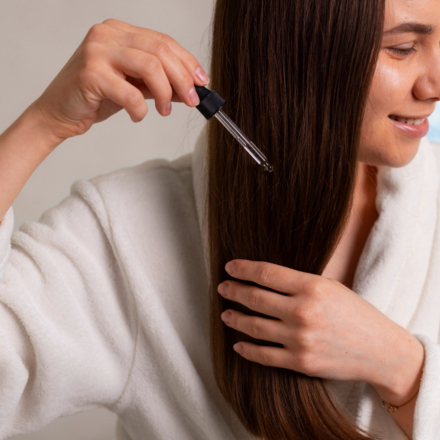
Too much protein often means a lack of fiber, vitamins, and minerals, affecting skin, nails, and hair—dry skin, brittle nails, thinning hair.
What to do: Leave space on your plate for vegetables, fruits, legumes, and whole grains. The “rainbow diet” method helps balance meals easily.
A metabolism overloaded by protein can make it harder to fall asleep. Low carb intake reduces serotonin and melatonin, the sleep hormones.
What to do: Reduce protein at dinner, add complex carbs and tryptophan-rich foods—this helps improve sleep quality.
Are you a man?
Visit MEN'S CULT