ONLINE WOMEN’S MAGAZINE
HEALTH
Many women avoid strength training because they fear they’ll “get too muscular.” In reality, this fear is one of the most common fitness myths.
Many women avoid strength training because they fear they’ll “get too muscular.” In reality, this fear is one of the most common fitness myths.
Let’s explore what strength training really is and how to use it correctly to keep your body feminine and your health strong.
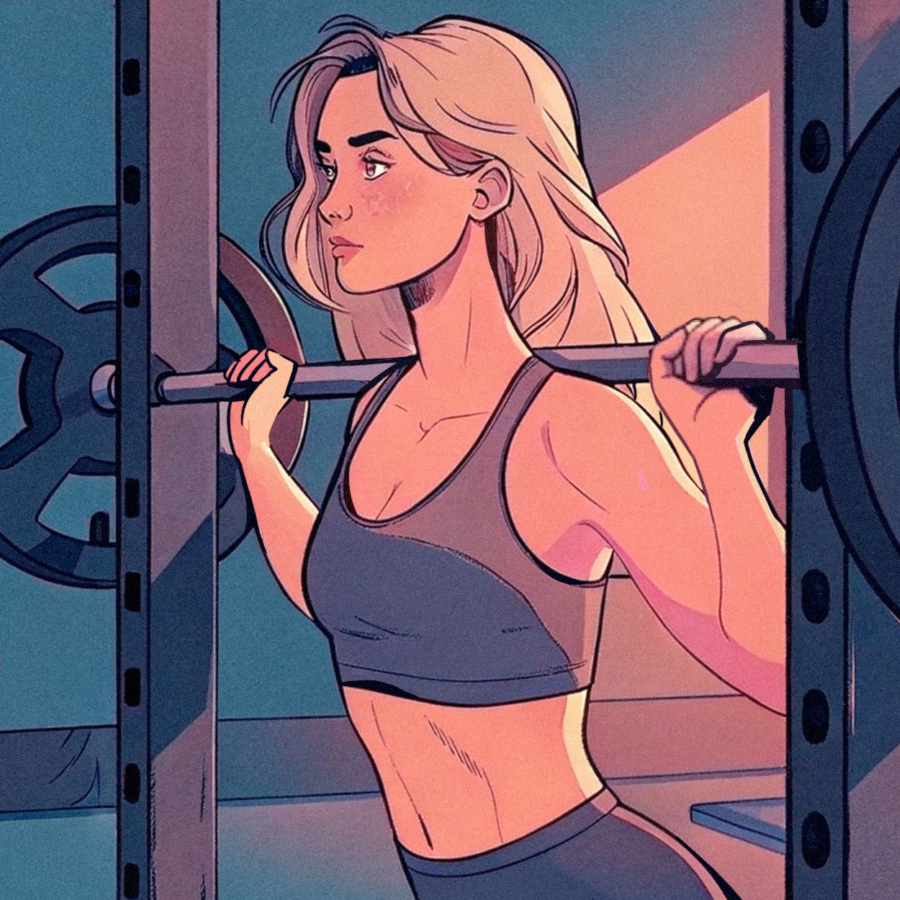
Strength training doesn’t necessarily mean lifting heavy weights or using bulky machines. Exercises using your own body weight, light dumbbells, resistance bands, or other equipment can be just as effective. The key is muscle tension and performing exercises close to “failure,” meaning when you can’t do another repetition.
If you do 10 squats but could do 40, that’s not a real workout—it’s just a warm-up. True strength training requires focus and gradual progression.
Scientifically, there’s no difference—muscles grow the same way in everyone. In practice, women tend to focus more on the lower body, while men target the upper body. This is due to physiology: women usually have more pronounced hips and glutes, while men have broader shoulders, arms, and back muscles.
And this isn’t random: studies show that harmonious body proportions increase attractiveness. Even if you focus on your arms and back, the risk of “getting too muscular” is minimal.
The main myth: women can easily build large muscles. In reality:
Strength exercises are not just about shape—they’re about health too:
Additionally, strength training helps with weight management: muscles burn calories even at rest, so the more muscle you have, the higher your metabolism.
After 40, it’s important to include strength exercises in your routine to prevent muscle loss (sarcopenia) and support joint health. In older age, training may even improve cognitive function. The key is to choose safe exercises and the right intensity.
Contraindications must be assessed by a doctor and often include:
Even with limitations, alternative exercises can be found to maintain strength and mobility.
Are you a man?
Visit MEN'S CULT