ONLINE WOMEN’S MAGAZINE
HEALTH
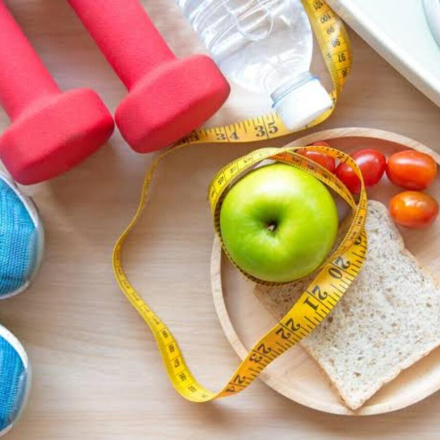
Just a few years ago, healthy eating was associated with endless containers of chicken and buckwheat, counting every single bite, and the feeling that life had turned into a strict diet.
Just a few years ago, healthy eating was associated with endless containers of chicken and buckwheat, counting every single bite, and the feeling that life had turned into a strict diet.
But the modern approach is changing.
Today, you don’t have to give up your favorite foods to take care of yourself. Sometimes, all it takes is slightly changing a recipe, organizing your shopping better, or simply understanding what exactly is on your plate.
And surprisingly, one of the most convenient helpers in this process is not a nutritionist or a specialized app, but an artificial intelligence chatbot.
It doesn’t judge you for eating a piece of cake.
It doesn’t force you to follow a rigid meal plan.
It simply helps you make your everyday choices a little smarter.
The perfect images on social media often make women believe that a healthy lifestyle means only green smoothies, salads without dressing, and completely giving up everything delicious.
But reality is much simpler.
Most people don’t want to become fitness models. They simply want to:
This is exactly where artificial intelligence can become a real everyday support tool.
One of the biggest mistakes when switching to healthier eating is thinking that you will have to forget about your favorite dishes forever.
In reality, it often only takes a few small changes.
For example:
A chatbot can analyze a recipe or even a photo of a finished dish and suggest a healthier alternative.
You can explain not only what needs to be changed but also what exactly you like about the meal.
For example:
“I like this chicken because it’s juicy and full of flavor from the spices. Make the recipe lower in calories but keep the taste.”
Sometimes the result can be truly surprising.
A favorite restaurant dish often feels like a problem.
We don’t know the exact ingredients.
We don’t know how much sauce or oil it contains.
We can’t accurately estimate the calorie content.
But there is an easier way.
You can show a chatbot a photo of the packaging, the ingredient list, or the menu and ask it to:
For example, instead of constantly ordering your favorite shawarma, you can get a homemade recipe with the same flavorful chicken but with a more controlled ingredient list.
And this is no longer a battle with yourself.
It is a comfortable way to take care of yourself.
At first glance, creating a weekly meal plan seems simple.
But once real-life conditions are added, chaos begins:
A chatbot can easily take dozens of such details into account.
You can ask for:
As a result, instead of a chaotic grocery trip, you get a clear plan.
Many people stop keeping a food diary after just a few days.
The reason is simple: it’s boring.
Weighing every piece of food and manually recording everything we eat is something few people enjoy.
Modern chatbots, however, can make the process much easier.
You can simply send:
Artificial intelligence can then help:
This does not replace professional analysis, but it is a great way to better understand your own habits.
Sounds familiar?
It’s evening.
You have already eaten throughout the day.
You want something tasty.
But you also need to consider your goals.
Instead of searching for a long time, you can simply write:
“I have 600 calories left and need to add 40 grams of protein. I have chicken breast. What can I cook?”
And get several options.
You can even add:
“I want to leave room for my favorite cookie.”
Because a healthy diet is not a punishment.
One of the most useful scenarios is using the products you already have at home.
Half a zucchini.
A little cheese.
Vegetables that are about to spoil.
Leftover chicken from dinner.
Instead of throwing food away or going shopping again, you can ask:
“Here is what I have in my fridge. Create three meals without buying anything extra.”
This helps you:
save money;
waste less food;
avoid impulsive purchases.
The most dangerous moment for healthy eating is the evening when you have no energy left.
That is exactly when your hand reaches for the delivery app.
But often the problem is not that you don’t want to eat better.
The problem is a lack of quick ideas.
A chatbot can suggest:
Sometimes a simple plate with eggs, vegetables, cheese, and nuts can be a much better alternative to random fast food.
Sometimes the problem is not that we eat “wrong.”
The problem is that we feel hungry again just an hour later.
Artificial intelligence can help improve a recipe by:
For example, regular pasta can be adapted so that it keeps you feeling full for longer.
Despite all the benefits, it is important to remember:
artificial intelligence does not replace a doctor or a professional nutritionist.
It does not diagnose medical conditions.
It cannot consider all personal health factors without additional information.
But as a daily assistant, it can be extremely useful.
Perhaps the biggest change brought by modern technology is not that it counts calories.
It is that it makes healthy choices easier.
You don’t have to choose between delicious and healthy.
You don’t have to live according to a strict meal plan.
You don’t have to start a “new life on Monday.”
Sometimes, all you need is a smart assistant that helps transform ordinary food into a part of self-care.
Because a truly healthy lifestyle is not about perfection.
It is about comfort, balance, and loving yourself every day.
Are you a man?
Visit MEN'S CULT