ONLINE WOMEN’S MAGAZINE
HEALTH
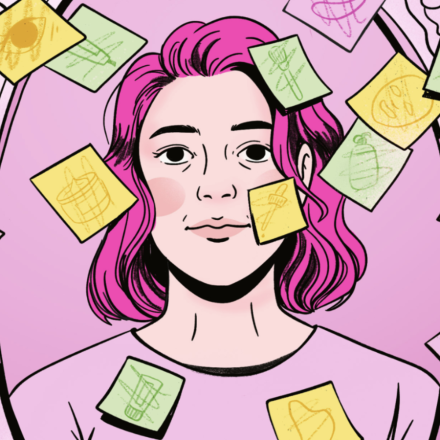
Have you ever come back from a long weekend or even a vacation with a strange feeling? You rested, slept a lot, had nowhere to rush, and yet you still feel exhausted. Instead of feeling refreshed, you're left with fatigue, irritability, and the desire to do absolutely nothing for a few more days.
Have you ever come back from a long weekend or even a vacation with a strange feeling? You rested, slept a lot, had nowhere to rush, and yet you still feel exhausted. Instead of feeling refreshed, you're left with fatigue, irritability, and the desire to do absolutely nothing for a few more days.
Surprisingly, the problem may not be that you didn't rest enough. It's simply that your brain... never switched into true recovery mode.
Psychologists and neuroscientists are increasingly talking about the parasympathetic nervous system—the body's built-in mechanism responsible for deep relaxation, restoring energy, and creating a sense of calm. And the good news is that every woman can learn how to "switch it on."
Many people believe that recovering is as simple as lying on the couch, turning on a TV series, or endlessly scrolling through social media.
Sound familiar?
In reality, this only creates the illusion of rest. Your body stops working physically, but your brain continues processing information: news, conversations, storylines, notifications, and advertisements.
In other words, it isn't resting—it's simply switching from one stream of stimulation to another.
That's exactly why, after several hours spent holding your phone, you often feel even more drained.
Your nervous system has two primary operating modes.
The first is the sympathetic nervous system. This is your "fight or flight" mode, activated during stress, deadlines, rushing around, and anxiety.
The second is the parasympathetic nervous system. This is your "rest and recover" mode. It slows your heart rate, relaxes your muscles, improves digestion, lowers stress hormones, and activates your body's natural healing and recovery processes.
Until this system is activated, even a long night's sleep or an entire day off may not leave you feeling truly restored.
Modern life leaves almost no room for silence. We're constantly consuming information—even when we think we're relaxing.
The biggest "recovery thieves" include:
Your brain keeps analyzing, reacting, and using energy. As a result, your stress levels don't decrease nearly as much as you think they do.
Research by neuroscientists—including a Stanford University team studying the vagus nerve—shows something fascinating: recovery doesn't begin simply because you remove stressors. It begins when your body enters a state of inner calm.
At that point, your brain shifts into what's known as the default mode network.
This is when your brain:
And it does all of this without any conscious effort from you.
1. Go for Walks Without Information Overload
The next time you head outside, leave your headphones at home or listen only to calming instrumental music.
A walk where you simply notice trees, people, or the sky is far more restorative than another hour of podcasts.
2. Give Yourself Permission to Be Quiet
Spend at least 15–20 minutes each day without your phone, a book, or the television.
At first, it may feel unusual—or even a little uncomfortable. That's completely normal. It's how your brain gradually learns to relax again.
3. Take a Shower Without Running Through Your To-Do List
Instead of mentally planning tomorrow, focus on your senses: the temperature of the water, the scent of your body wash, and the sound of the shower.
It gently brings you back to the present moment.
4. Look Out the Window Without a Goal
No photos. No stories. No notifications.
Just observe what's happening outside.
It sounds almost too simple, but these quiet moments often become the most effective reset for your nervous system.
5. Travel Without Constantly Analyzing Everything
Don't compare, judge, or think about what you'll post on social media.
Simply experience the place through its colors, sounds, scents, and atmosphere.
Sometimes the best memories are created when we stop documenting every moment.
There's another simple way to activate your parasympathetic nervous system quickly: slow breathing with a longer exhale.
Try this technique:
A longer exhale stimulates the vagus nerve, one of the body's most important "switches" for recovery mode.
Sometimes just 30 minutes of genuine silence can leave you feeling more energized than hours of passive screen time.
The quality of your rest matters far more than the quantity.
A short walk in the park, a cup of tea on the balcony, or a few quiet minutes can do much more for your nervous system than an endless stream of content.
Two hours before bedtime, put away your phone, laptop, and TV.
Let your brain wander without new notifications or content. These quiet moments help it organize the day and prepare for deep overnight recovery.
Many people notice they fall asleep faster and wake up feeling significantly more refreshed.
In a world where we're constantly surrounded by screens, notifications, and endless noise, silence has become a true luxury. Yet it's exactly what our nervous system needs most.
The next time you feel exhausted, don't rush to start a new series or open social media. Perhaps the greatest gift you can give yourself is a few minutes without information, without goals, and without rushing.
It's in that silence that your body begins to recover for real. And with that recovery come renewed energy, a better mood, and a wonderful feeling of inner lightness.

Are you a man?
Visit MEN'S CULT