ONLINE WOMEN’S MAGAZINE
HEALTH
Modern women have learned to be strong so well that they sometimes stop noticing how exhausted they actually are.
Modern women have learned to be strong so well that they sometimes stop noticing how exhausted they actually are.
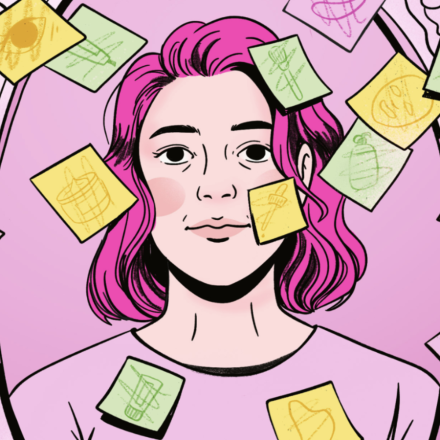
She replies to messages during dinner. Thinks about work before falling asleep. Lives in a constant state of switching: tasks, people, news, deadlines, expectations, anxiety, noise.
And one day, the body starts speaking for her.
Not with words.
But with tight shoulders.
Tired eyes.
Interrupted sleep.
A constant feeling that everything inside is running at full capacity.
The most surprising thing is that the body almost always notices stress before the mind does.
Many people still imagine stress as something loud:
hysteria, tears, a nervous breakdown.
But modern stress usually looks different.
It shows up as:
The problem is that over time, a woman starts to accept this as normal.
When in reality, the body is simply living in a constant state of alert.
Psychologists increasingly talk about bodily stress — a state in which tension is no longer just an emotion but becomes a physical background of life.
The body adapts to anxiety.
Shoulders rise higher.
Neck becomes stiffer.
Breathing becomes shorter.
Facial muscles tighten.
Sleep becomes lighter.
And the longer this continues, the more the body forgets what relaxation even feels like.
That’s why many women say:
“I rest, but I never really recover.”
Because the body never fully leaves the stress state.
You can buy an expensive cream.
Do perfect makeup.
Go through the best treatments.
But chronic stress will still show.
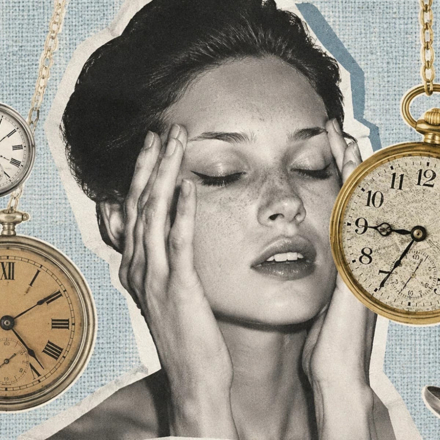
Most often — through facial expression.
A heavy gaze.
Tension between the eyebrows.
Pressed lips.
A tired look that concealer can’t hide.
That’s why more and more cosmetologists say:
the most powerful anti-age factor is not only skincare, but also the state of the nervous system.
Sometimes a woman doesn’t need a new cream — she needs a moment to breathe.
One of the most dangerous effects of long-term stress is losing contact with yourself.
A woman becomes so used to ignoring her body’s signals that she stops noticing:
She keeps functioning on autopilot.
This is especially common among those who are used to being:
But the body never forgets overload.
It simply starts speaking through symptoms.
One of the main victims of modern stress is sleep.
The body is tired.
The mind is overloaded.
But relaxation is impossible.
A woman goes to bed — and instead of rest she gets:
And in the morning, she wakes up already tired.
The hardest part is the cycle the body enters:
stress worsens sleep,
and poor sleep increases stress.
Stress almost always affects eating habits.
And this is not about “weak willpower”.
The body is simply trying to find a quick source of safety and energy.
That’s why during anxious periods people crave:
The body is searching for comfort.
The problem is that chaotic eating only increases internal instability.
It’s impossible to live in survival mode all the time and still feel beautiful, light, and fulfilled.
A woman’s state doesn’t start with perfect planning.
Not with productivity.
Not with endless control.
It starts with a sense of safety within her own body.
And sometimes recovery doesn’t begin with “doing more”.
But rather:
The interesting thing is that the nervous system responds best not to radical changes, but to small, consistent signals of safety.
Sometimes surprisingly simple things help:
It may seem too simple.
But through these small actions, the body gradually understands:
the danger is over.
The wellness industry has long convinced women that self-care means candles, masks, and beautiful morning rituals.
But in reality, it goes much deeper.
Real self-care is:
Because the body never lies.
And if it constantly asks for help through fatigue, anxiety, insomnia, and tension — it may simply have been trying to be stronger for too long.
Are you a man?
Visit MEN'S CULT