ONLINE WOMEN’S MAGAZINE
HEALTH
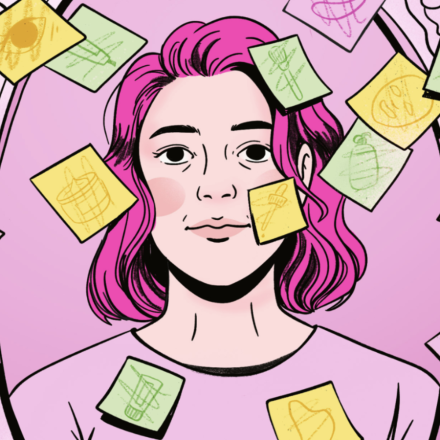
You wake up in the morning already exhausted. Coffee no longer helps. The weekend passes in attempts to rest, yet Monday greets you with the same feeling of an empty battery. It becomes harder and harder to concentrate, your mood shifts for no obvious reason, and you lack the energy even for things that once brought you joy.
You wake up in the morning already exhausted. Coffee no longer helps. The weekend passes in attempts to rest, yet Monday greets you with the same feeling of an empty battery. It becomes harder and harder to concentrate, your mood shifts for no obvious reason, and you lack the energy even for things that once brought you joy.
Sound familiar?
Most women in this situation assume they are dealing with overwork, emotional burnout, or even depression. But sometimes the cause is much simpler—and at the same time much more serious: iron deficiency.
Modern women are used to being strong. Work, family, household responsibilities, caring for loved ones, and personal goals often make it feel as though everything must be managed at once.
That’s why fatigue is often blamed on a hectic lifestyle.
However, if your energy doesn’t return even after a vacation, a relaxing weekend, or a full night’s sleep, it may be time to pay closer attention to your body.
Low iron levels can manifest in subtle ways:
Many people live with these symptoms for years without realizing the true cause.
Interestingly, the symptoms of iron deficiency can closely resemble emotional exhaustion.
That’s why many women first look for psychological explanations for how they feel.
And that’s completely understandable.
However, iron does much more than help transport oxygen throughout the body. It also plays a key role in the production of important neurotransmitters, including dopamine and serotonin—chemicals directly linked to mood, motivation, and overall well-being.
When iron levels are low, it’s not just the body that suffers; emotional health can be affected as well.
Many women believe that if their blood test shows normal hemoglobin levels, then their iron status must be fine.
In reality, that’s not always the case.
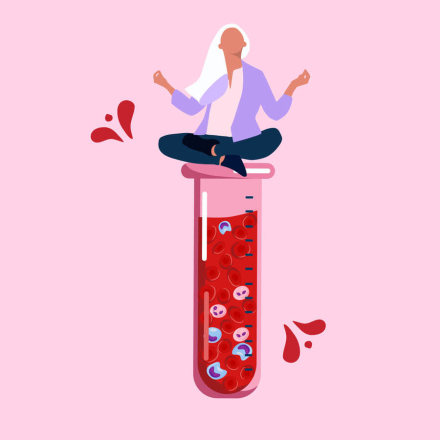
There is a condition known as latent or hidden iron deficiency. In this situation, hemoglobin levels remain within the normal range, while the body's iron stores are already becoming depleted.
That’s why doctors increasingly recommend checking not only a complete blood count but also ferritin levels—the protein that reflects the body’s iron reserves.
Identifying the problem early can help prevent anemia and many related health complications.
Sometimes the body is practically crying out for help.
For example, if you find yourself getting sick more often, taking longer to recover from colds, or noticing that routine physical activities feel significantly harder than before, iron deficiency could be a contributing factor.
Some women experience shortness of breath even after mild exertion.
Others report frequent headaches or sleep disturbances.
Because these symptoms are rarely associated with low iron levels, the underlying issue often remains undetected.
The statistics speak for themselves: iron deficiency is significantly more common among women than men.
The primary reason is regular blood loss during menstruation.
This is especially true for women with heavy periods, as the body may not have enough time to replenish its iron stores between cycles.
Additionally, certain digestive issues affecting the stomach or intestines can interfere with iron absorption.
As a result, even a balanced diet does not always guarantee adequate levels of this essential mineral.
Unfortunately, once iron deficiency has developed, food alone is often not enough to correct it.
Red meat, liver, legumes, and leafy greens do contain iron, but a significant deficiency usually requires a more targeted approach.
That’s why healthcare professionals typically recommend iron supplements after appropriate testing confirms a deficiency.
Vitamin C plays an important role in iron absorption, which is why it is often included in iron supplements.
At the same time, it’s important not to self-prescribe supplements, as excessive iron levels can also be harmful.
Many of us become accustomed to living at the limit of our abilities.
We get used to being tired.
To feeling irritable.
To lacking energy.
To believing that this is simply part of adult life.
But the truth is that constant exhaustion is not normal.
Sometimes, in order to regain your energy, mental clarity, and enthusiasm for life, you don’t need to change jobs, find a new hobby, or plan another vacation.
Sometimes, all you need to do is check your iron levels.
That simple step may provide the answer to why you’ve been feeling so drained lately.

Are you a man?
Visit MEN'S CULT