ONLINE WOMEN’S MAGAZINE
LOVE
There are topics that always make you slightly raise an eyebrow and think: “okay, this is going to be interesting.” Friends with benefits is exactly one of them. In theory, it’s simple: you’re friends, you enjoy spending time together, and sometimes an intimate layer is added—without promises, shared living, or plans for “happily ever after.”
There are topics that always make you slightly raise an eyebrow and think: “okay, this is going to be interesting.” Friends with benefits is exactly one of them. In theory, it’s simple: you’re friends, you enjoy spending time together, and sometimes an intimate layer is added—without promises, shared living, or plans for “happily ever after.”
But in real life, that “simplicity” often turns out to be an illusion.
Because the question here is not just about sex. It’s about what we actually mean by intimacy.
It’s a format where two people:
It sounds like an adult, honest agreement between two free people. And in part, it really is.
Today, this format no longer feels unusual. It has become part of modern relationship culture, especially in a world where not everyone has the energy or resources for traditional romantic relationships with all their complexity.
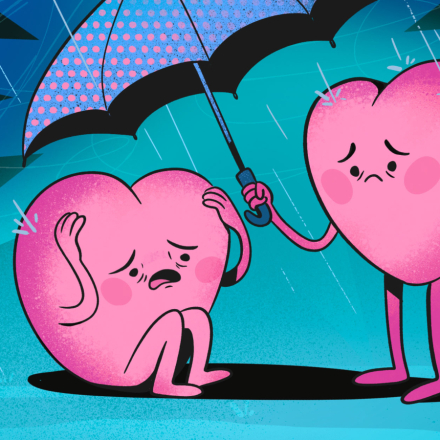
But there’s one important nuance: human feelings don’t sign contracts.
Supporters of this approach say something simple: not every life stage is meant for serious relationships.
And that makes sense.
Sometimes:
In such cases, friends with benefits can feel like an honest compromise: two adults agree, no one forces anyone, everyone is satisfied.
And often, the issue is not the format itself, but expectations.
If both people understand the rules of the game in the same way—without fantasies like “they will definitely fall in love”—it can work quite peacefully.
But there is a thin line: friendship with added intimacy can very easily stop being “just friendship.”
Skeptics say something different: the human psyche is not as rational as we like to believe.
Even if everything feels easy at the beginning, over time the following may appear:
And the most interesting part is that this often doesn’t happen in sync.
One person continues to see it as a light, no-strings arrangement, while the other starts building internal scenarios of “us,” stability, and a future.
Then freedom turns into a quiet disappointment. Without an official breakup, but with a sense of loss.
Another rarely discussed point: friendship and sexuality are different levels of intimacy. When they mix, the balance becomes fragile. And it’s not always clear what you actually lose: sex, friendship, or something in between.
The most honest answer is boring but accurate: it is neither “normal” nor “awkward” by default.
It is a format that depends not on the idea, but on the people involved.
It can work if:
But it becomes painful if even one of these conditions is missing.
At its core, friends with benefits is not just about sex.
It is a modern attempt to find balance between:
People want warmth, but without vulnerability. They want connection, but without obligations. They want something “their own,” without losing autonomy.
And sometimes this format really does seem like the simplest answer.
The problem is that emotional intimacy rarely agrees to be a “half-format.”
Friends with benefits is not about right or wrong.
It’s about honesty.
First of all—with yourself.
Because complications rarely begin in the moment of intimacy, but when one of the two starts thinking: “what if this is something more?”
And perhaps the main question is not “normal or awkward.”
But another one:
are you ready for the fact that “nothing serious” sometimes becomes the most serious part of the whole story?

Are you a man?
Visit MEN'S CULT