ONLINE WOMEN’S MAGAZINE
LOVE
We live in an era where the word “divorce” no longer sounds like a sentence. It has become an option. Sometimes frightening, sometimes liberating, and most often… simply a thought that suddenly appears late at night, when you are exhausted, overwhelmed, and have stayed silent about important things for too long.
We live in an era where the word “divorce” no longer sounds like a sentence. It has become an option. Sometimes frightening, sometimes liberating, and most often… simply a thought that suddenly appears late at night, when you are exhausted, overwhelmed, and have stayed silent about important things for too long.
And that is where the real difficulty lies: not in the breakup itself, but in the thoughts surrounding it.
Thoughts about divorce rarely come “out of nowhere.” More often, they are not about wanting to leave, but about wanting something to change.
Modern relationships exist under constant pressure:
And at some point, the mind reaches a logical but abrupt conclusion: “Maybe it’s easier to leave than to figure everything out?”
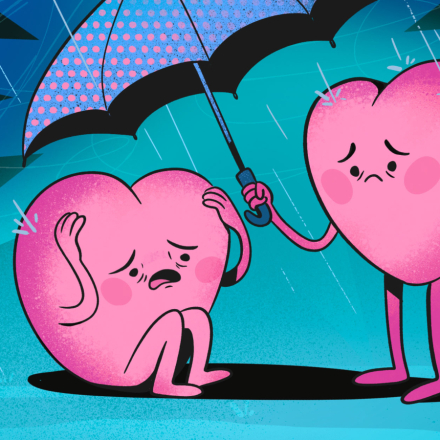
But it is important to understand: this is not always about the end of love. Sometimes it is simply about emotional overload.
Here is a simple but honest question: what state are you in when these thoughts become especially loud?
Lack of sleep, stress, emotional burnout, the feeling that you are carrying everything alone — all of this intensifies the desire for radical decisions. In moments like these, the brain is not searching for depth; it is searching for an escape.
And divorce becomes a symbol of one simple feeling:
“I just want things to feel easier.”
But “easier” does not always mean “ending the relationship.”
Sometimes it means:
— finally taking a breath
— recovering emotionally
— no longer living at your limit
And only after that being able to look at the relationship clearly.
When thoughts of divorce appear, many women automatically fall into one of two extremes.
The first trap: “Marriage must be saved at all costs”
This idea is familiar to many people. Endure. Keep trying. Adapt yourself. “For the sake of the family.”
But the problem is that relationships held together by only one person’s effort stop being partnerships. They become survival.
And eventually, the price becomes dangerously high — the loss of yourself.
There is also the opposite illusion: believing that leaving will automatically restart your life.
But relationships are not the source of every problem. Sometimes they simply expose what was already there: anxiety, fear of intimacy, poor boundaries, the habit of staying silent instead of communicating.
And if none of that changes, the new relationship may end up looking very similar to the old one — just with a different person.
The most honest question you can ask yourself
Not “Do I love him?”
And not even “Do I want to leave?”
But this question:
“Do I want to leave him — or do I want to leave the version of myself I become beside him?”
Sometimes the answer is surprising.
Because the issue may not be the person, but the dynamic between you. The exhaustion. The unspoken feelings. The expectations that were never voiced aloud.
If the relationship is generally safe and there is no abuse or destructive behavior, conversation remains one of the most underestimated tools.
But not a conversation built on accusations or ultimatums.
A real, honest dialogue:
— What is hurting me?
— What am I missing?
— At what point did I stop feeling like part of “us”?
And yes, sometimes these conversations work better not “in the kitchen between chores,” but in a more structured setting — with pauses, reflection, or even the support of a professional.
Sometimes, yes.
Not as a “trial period for love,” but as a period of honest recalibration:
without illusions, but with a genuine attempt to hear each other.
And one important point: during this time, not only thoughts should change — actions should too.
Because relationships are not sustained by the decision to stay. They are sustained by what people do for each other after making that decision.
Thoughts about divorce do not always mean “everything is broken.”
Sometimes they mean:
— “I’m overwhelmed”
— “I’m exhausted”
— “We need to reconnect”
— “I don’t want to stay silent anymore”
And only in rare cases do they truly mean the end.
A mature decision does not come from impulse, but from clarity. And clarity appears where there is rest, honesty, and the willingness to look at a relationship without illusions — but also without rushing to destroy it.

Are you a man?
Visit MEN'S CULT