ONLINE WOMEN’S MAGAZINE
LOVE
Love is a necessity, but everyone approaches it differently. Some seem to be in a constant search for the perfect partner, while others live comfortably without romance, trusting fate. And that’s okay. The key is understanding what drives your desires.
Love is a necessity, but everyone approaches it differently. Some seem to be in a constant search for the perfect partner, while others live comfortably without romance, trusting fate. And that’s okay. The key is understanding what drives your desires.
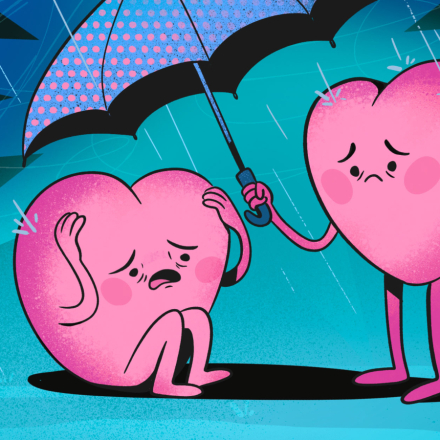
Often, a strong need to be loved stems from an emotional deficit. Wanting a relationship seems normal, but there’s a nuance: the desire for mutual love and care is very different from the anxious urge to “satisfy a hunger for affection.”
Neurotic attachment to a partner you can control often comes from experiences of rejection and loneliness. These individuals seek validation of their self-worth, react intensely to pauses or delays, and frequently feel unneeded. Building a relationship with them can be challenging: constant demands for attention and care are exhausting, and trust doesn’t come easily.
Existential fear of being alone also plays a role. For some, a relationship is a way to avoid facing themselves, their inner voids, or anxieties, escaping into the partner instead.
If your self-esteem is healthy, the need to confirm your worth through someone else disappears. That energy can be redirected toward creativity, career, or hobbies.
To stop “chasing relationships,” it helps to:
Not only does this increase your chances of finding a meaningful relationship, but it also makes the relationship more harmonious.
Choosing to step away from romance can be a conscious and temporary decision, such as:
Avoidance can also serve as a protective response to emotional pain, blurred boundaries, or the risk of losing oneself in a partner. Social expectations can sometimes trigger the opposite reaction—an overt refusal of what is “supposed to be.”
Love is not like in the movies. It requires connection, engagement, and maturity. There will always be small disappointments, dissatisfaction, and limitations. A psychologically mature person can accept this, while others risk chasing an ideal and experiencing constant frustration.
Understanding your own motives helps you choose realistic paths, make conscious decisions, and live peacefully—even if your choices don’t align with others’ expectations.

Are you a man?
Visit MEN'S CULT