ONLINE WOMEN’S MAGAZINE
LOVE
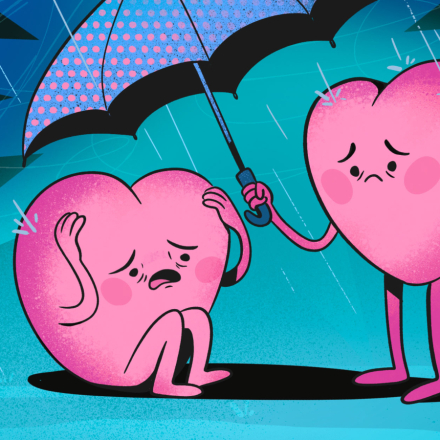
Love has long been celebrated in books, movies, and songs. People do crazy things for it, wait years for it, and are willing to overcome any obstacle in its name. But sometimes, what looks like love is actually something very different: emotional attachment.
Love has long been celebrated in books, movies, and songs. People do crazy things for it, wait years for it, and are willing to overcome any obstacle in its name. But sometimes, what looks like love is actually something very different: emotional attachment.
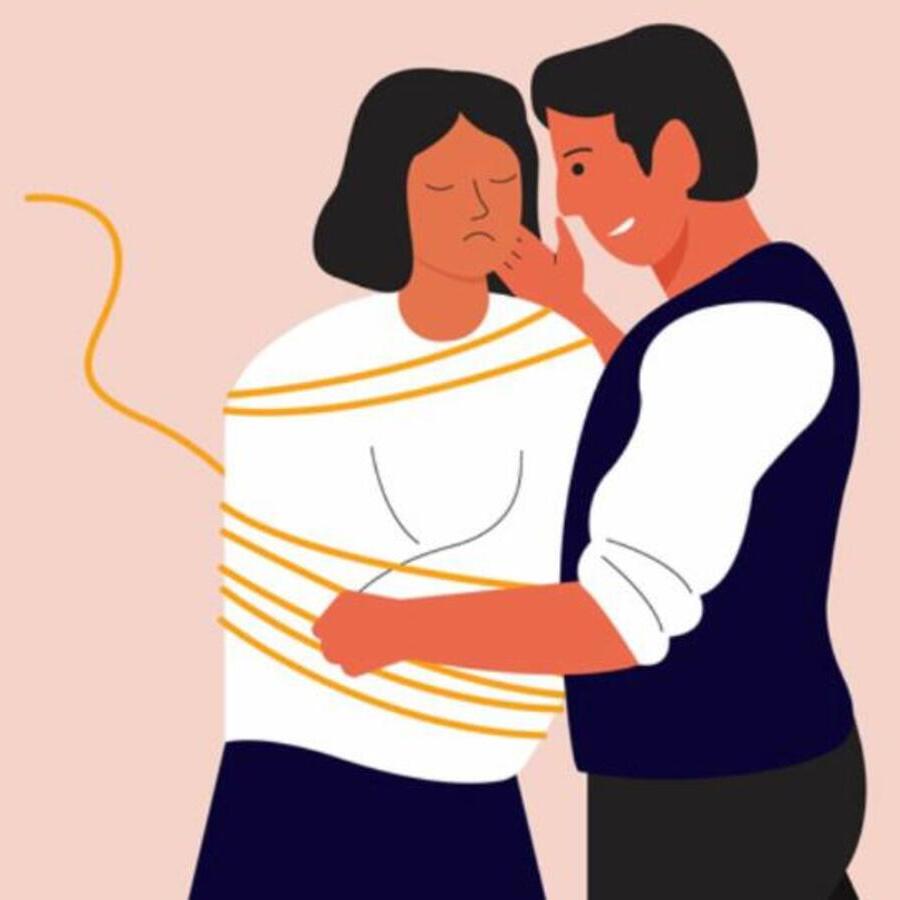
It can feel just as powerful as love—sometimes even stronger. The difference is that instead of bringing happiness, it brings anxiety, dependency, and a constant fear of losing someone. The most deceptive part is that many women spend years in relationships like this, sincerely believing they are experiencing true love.
So how can you tell whether your feelings are based on genuine emotional intimacy or on an unhealthy attachment? Here are several signs that may help you understand what’s really going on.
When a woman loves, she welcomes a man into her life. When she becomes emotionally attached, she gradually gives up her own life for him.
At some point, everything starts revolving around your partner:
You cancel plans with friends, forget about your favorite hobbies, and stop paying attention to your own needs. It may seem like a sign of deep love, but healthy relationships do not require you to lose yourself in another person.
True closeness does not erase your identity.
Even if the relationship stopped making you happy a long time ago.
Even if he frequently hurts you with his words, ignores your feelings, or disrespects your boundaries.
Even if you regularly cry after talking to him.
The biggest fear in emotional attachment is being alone.
That’s why a woman clings to a relationship not because she feels good with the person, but because she is afraid of being without him.
Love is built on the desire to be together. Dependency is built on the fear of separation.
You constantly check your phone.
You look to see when he was last online.
You find yourself wondering:
Every notification brings a rush of happiness, while prolonged silence causes anxiety and panic.
Your emotional state becomes completely dependent on another person’s actions.
That’s not love. That’s a loss of inner stability.
You notice an attractive woman among his followers and immediately begin comparing yourself to her.
Every coworker, acquaintance, or ex-girlfriend feels like a threat.
You analyze likes, comments, new followers, and even random photos.
A single thought keeps repeating in your mind:
“What if someone is better than me?”
Love creates trust. Emotional attachment is usually fueled by anxiety and insecurity.
When someone you love is away for a few days, missing them is completely normal.
But if you stop enjoying life altogether when your partner isn’t around, it may be time to reflect.
Nothing seems interesting anymore.
You don’t feel like seeing friends.
Your favorite activities no longer bring you joy.
It feels as though real life only begins when he is by your side.
But a healthy relationship doesn’t replace your interests, dreams, or passions.
Instead, it enriches them.
This is one of the clearest signs of emotional dependency.
Deep down, you know the relationship has become a source of pain.
You know you aren’t being heard.
You know you aren’t appreciated.
You know you aren’t supported.
Yet you stay.
After seeing him, you feel emotionally drained.
After conversations, you feel empty.
After conflicts, there are tears and sleepless nights.
And still, you keep hoping that one day everything will change.
Love can survive difficult times. But it should never continuously destroy a person from the inside.
He seems perfect.
The smartest.
The most talented.
The most extraordinary.
His flaws either go unnoticed or are instantly justified.
In psychology, this is known as idealization.
A person who truly loves sees their partner as a whole person—with strengths, weaknesses, quirks, and imperfections.
And accepts them for who they are.
Emotional attachment, on the other hand, often creates an idealized image that is far removed from reality.
Paradoxically, some of the loneliest people are in relationships.
There is a man by your side.
There are messages.
There are dates and conversations.
But inside, there is still emptiness.
You don’t feel emotionally safe.
You don’t feel understood.
You don’t feel at peace.
Love creates a sense of home in another person’s presence.
Emotional attachment keeps you searching for warmth that never seems to be enough.
Contrary to popular myths, love is not endless suffering, emotional roller coasters, or a constant battle for attention.
Love does not make you lose yourself.
It does not require you to sacrifice your happiness.
It does not turn every day into a test of endurance.
Instead, it brings calm, confidence, and inner freedom.
Being with the person you love feels wonderful. But even when you are apart, you remain a complete, happy, and fulfilled individual.
That is the fundamental difference between love and emotional attachment: love helps you grow, while dependency forces you to cling.
So if you recognized yourself in several of these signs, don’t rush to judge yourself. Sometimes these feelings are not a sign of weakness but of old emotional wounds that simply need care and healing. And true love always begins with loving yourself first.
Are you a man?
Visit MEN'S CULT