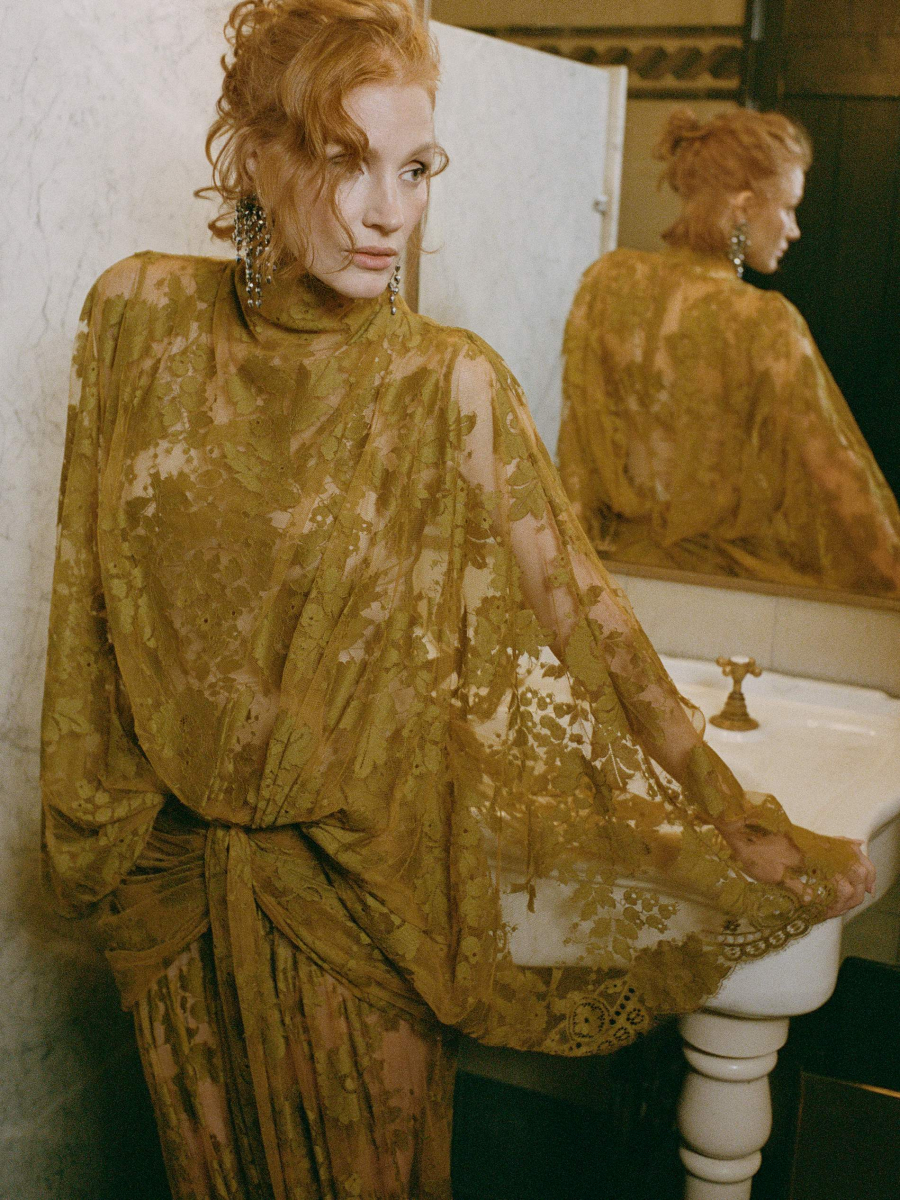
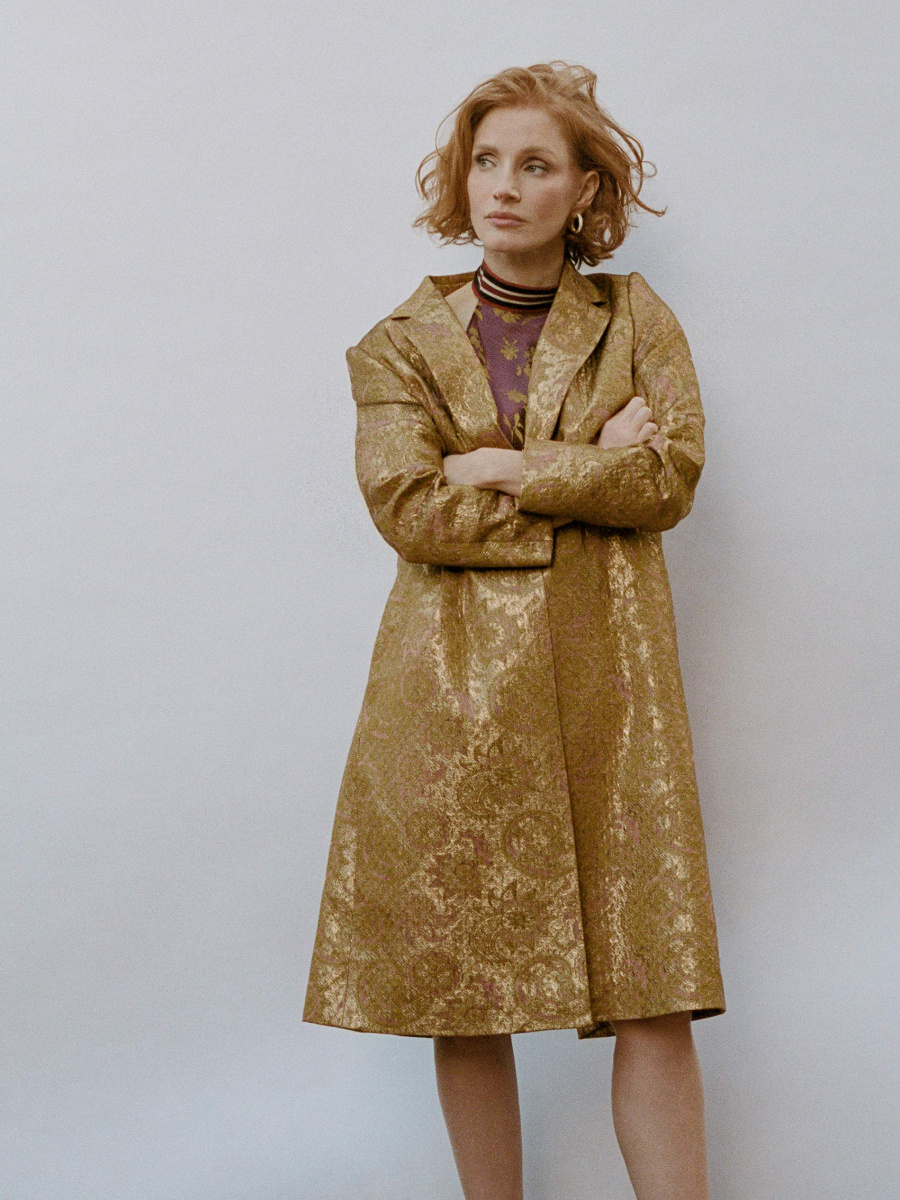
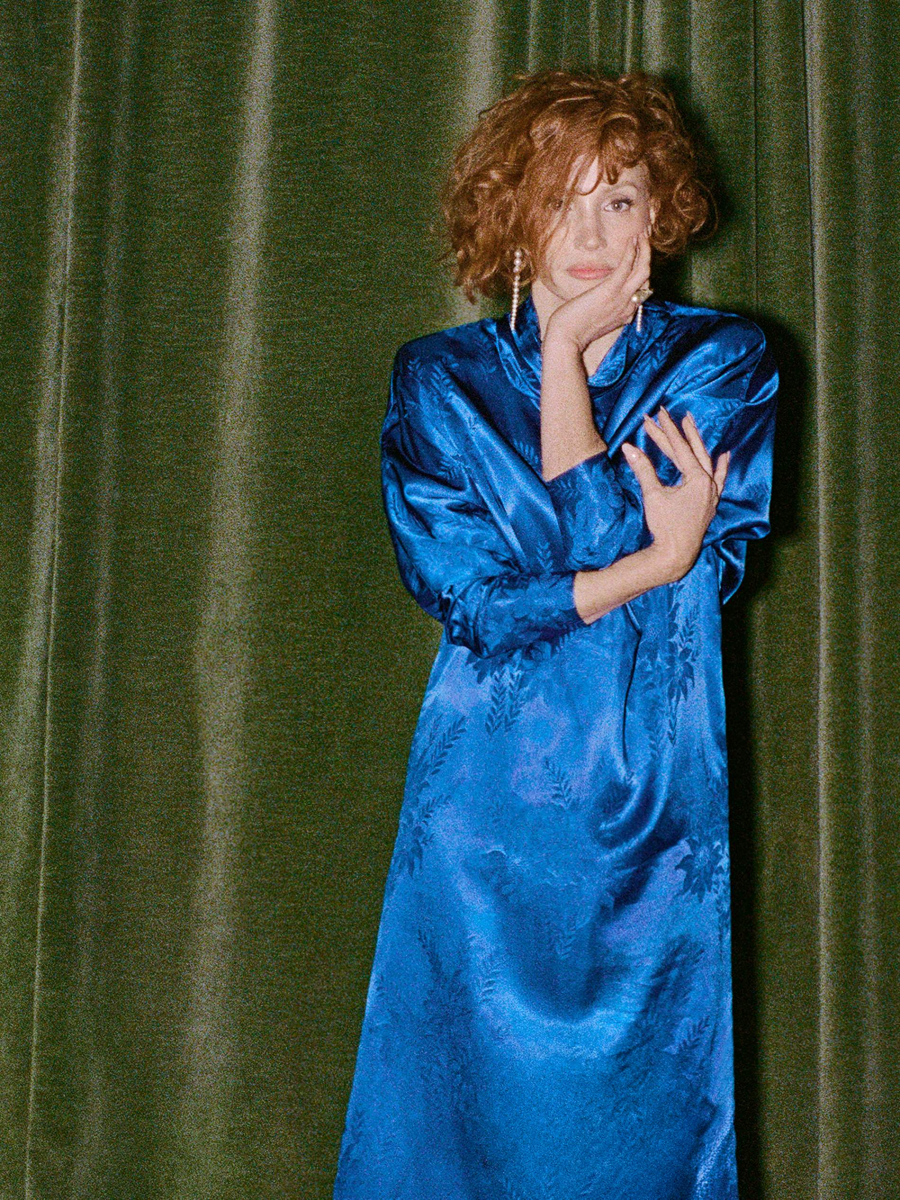
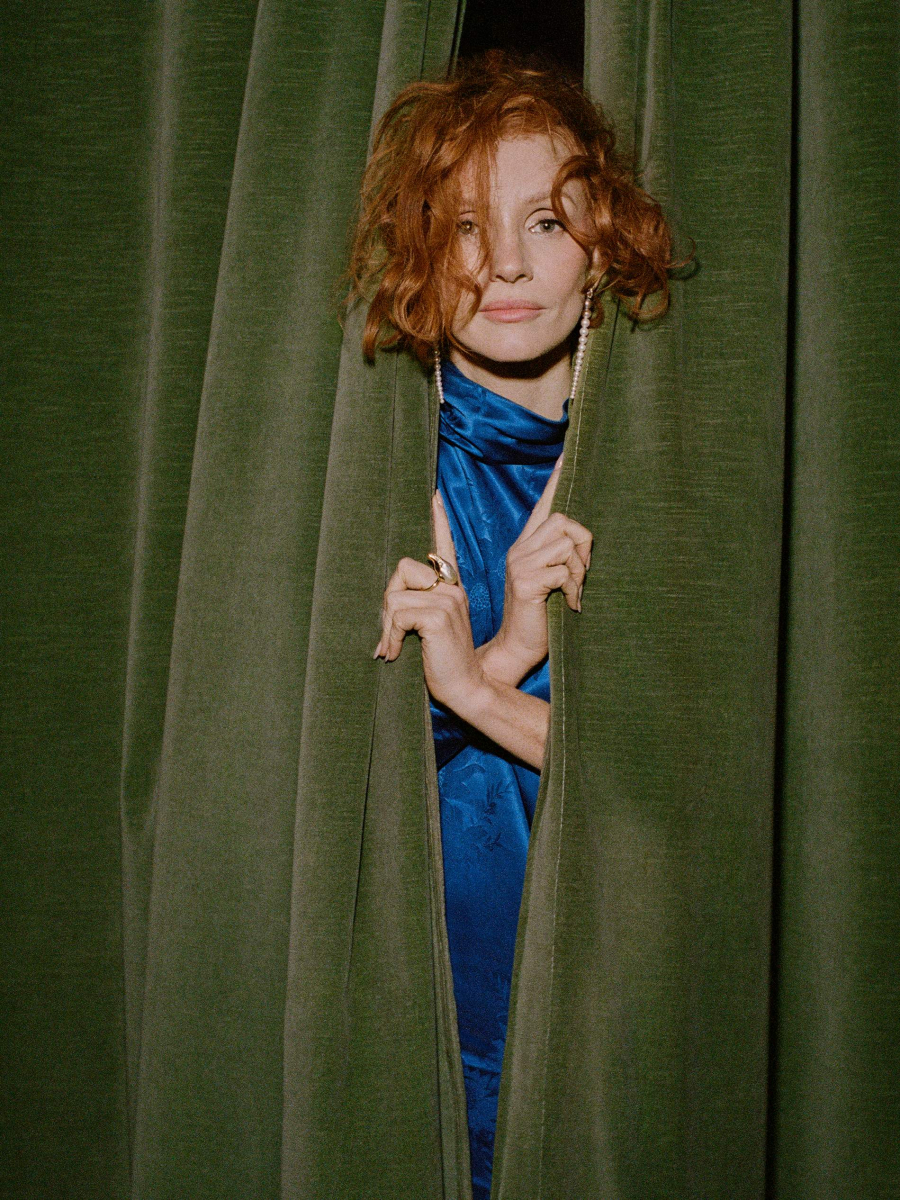
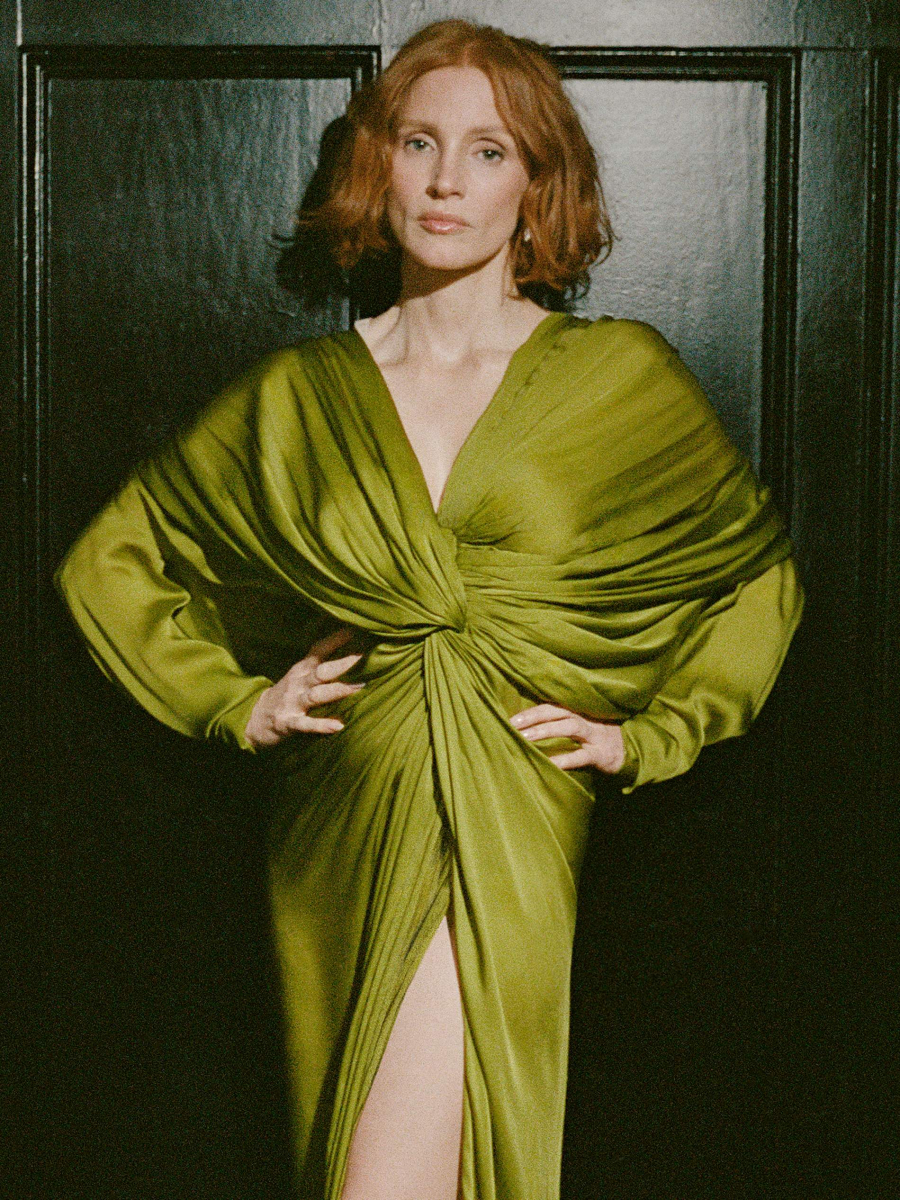
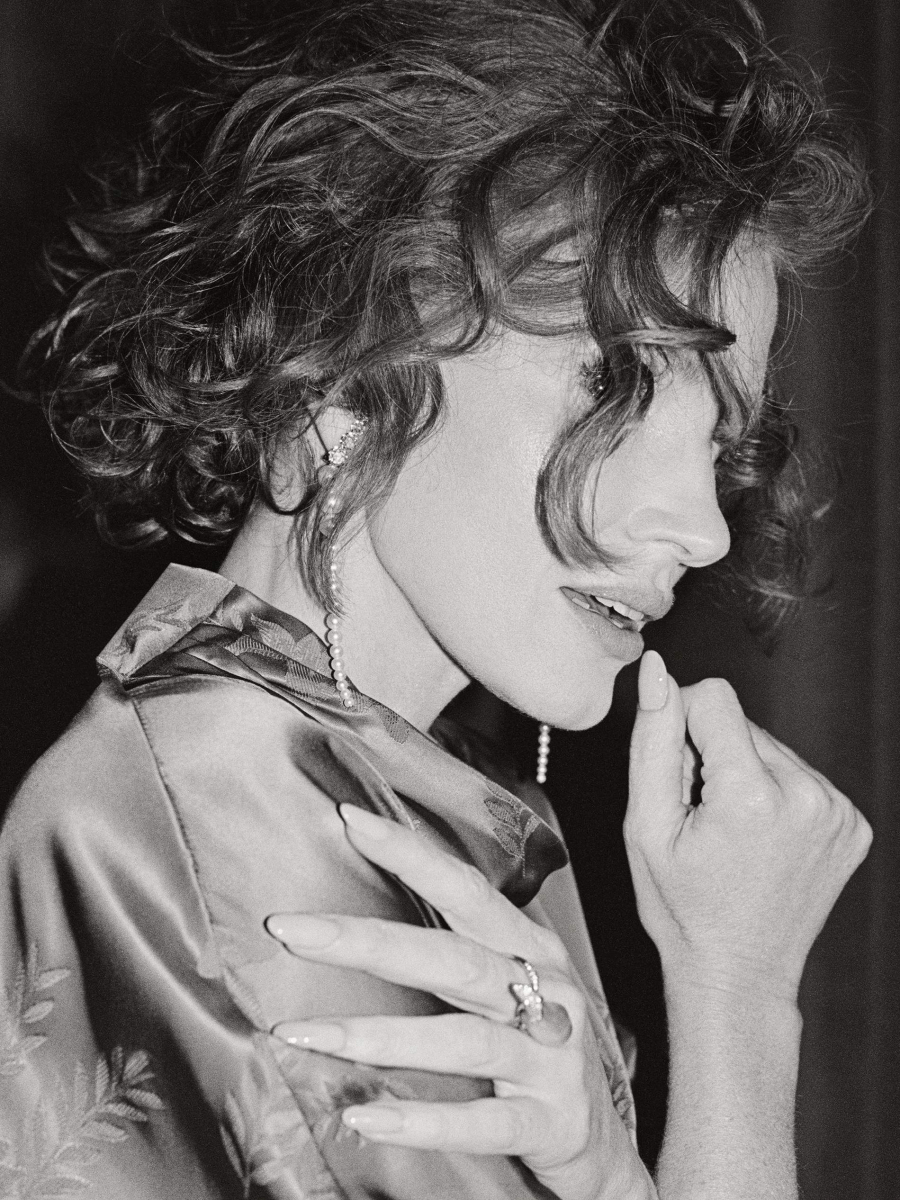
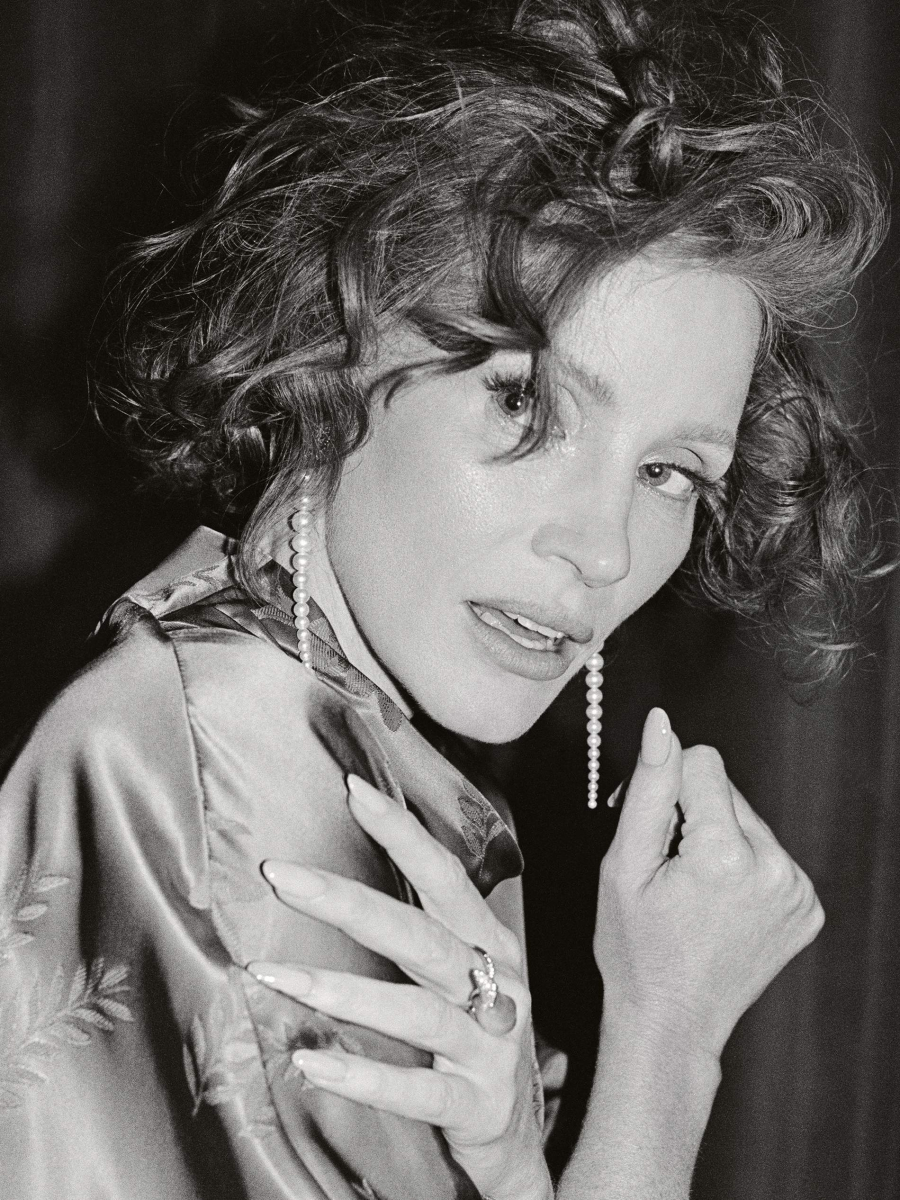
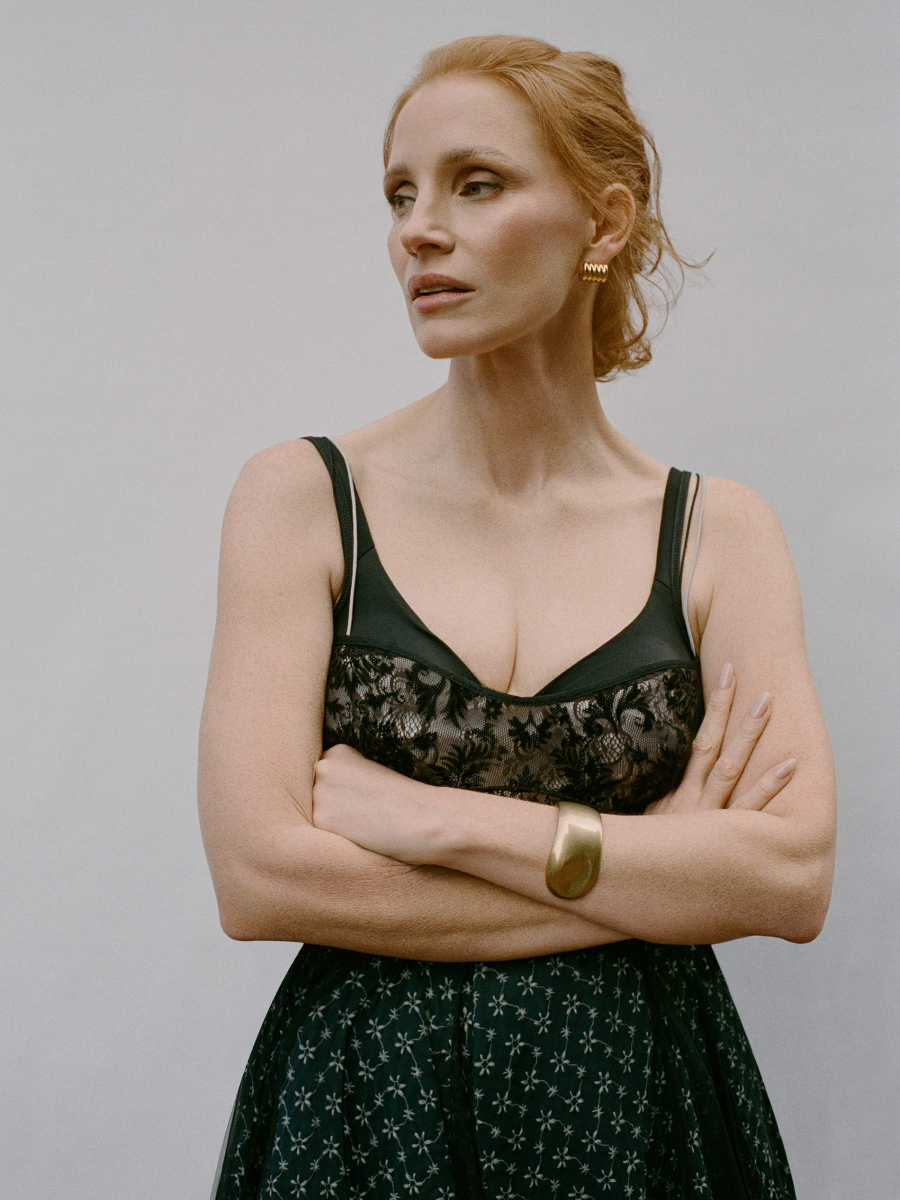
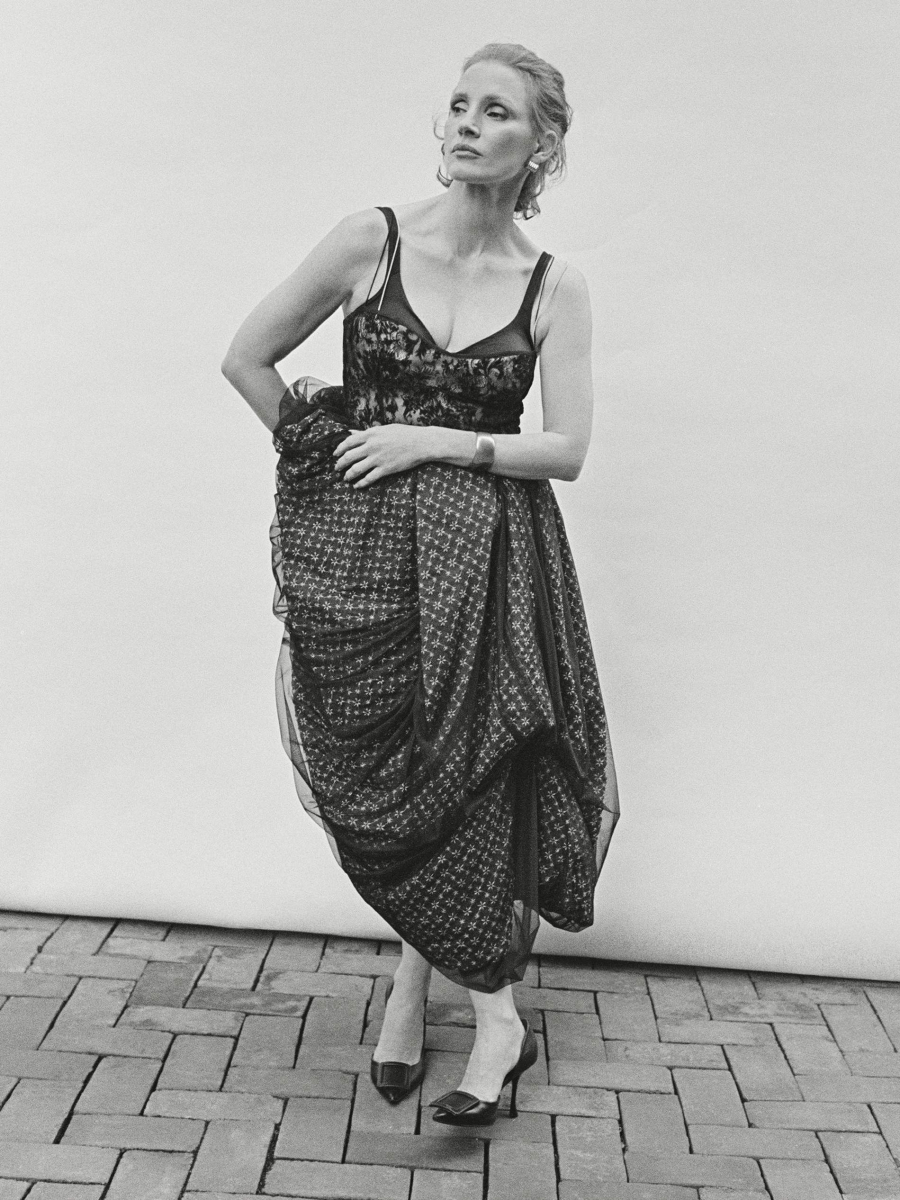
In a cover-story interview with Kaitlyn McNab for Glamour, Chastain discusses subjects that extend far beyond her career. The conversation explores the representation of women in film, age-related stereotypes, and the importance of expressing one's own views even when they make others uncomfortable.
In an industry that often tries to put actresses into narrowly defined boxes, Chastain continues to choose complex and challenging roles. Her career demonstrates that female strength has many forms and that sometimes the bravest thing a woman can do is simply refuse to remain silent.
The Dark Side of Female Strength
For a long time, popular culture has portrayed strong women as almost flawless figures: confident, composed, rational, and always in control of their emotions. But real strength is rarely that simple.
Women experience fear, anger, jealousy, frustration, and doubt, too. They make mistakes, make contradictory choices, and discover sides of themselves they might rather not acknowledge. That is precisely where the richness of female characters who do not strive for perfection lies.
Horror offers a particularly compelling space in which to explore these contradictions. Through fear, the unknown, and extreme situations, it can address experiences that often remain hidden beneath the surface of everyday life.
For an actress like Jessica Chastain, stories of this kind provide an opportunity to explore intense emotions and show that vulnerability is not the opposite of strength. Sometimes, both exist within the same person.
Other Mommy: When the Familiar No Longer Feels Safe
The title Other Mommy itself evokes a sense of unease: something that should feel familiar and comforting takes on a disturbing quality. Horror is often most effective when it transforms the ordinary into something we can no longer fully understand.
Stories like these create opportunities to explore the boundaries of trust, identity, and emotional security. Familiar things can take on new meanings, and what once seemed protective can suddenly become a source of uncertainty.
In contemporary horror, female protagonists are increasingly taking center stage in psychologically complex narratives. They are no longer merely victims trying to escape danger. They are characters with desires, contradictions, difficult decisions, and inner lives worth exploring.
The appeal of these stories lies in more than their ability to frighten audiences. They also raise uncomfortable questions about family, social expectations, and the parts of ourselves we try to keep hidden.
Women No Longer Need Permission to Be Complex
Expectations placed on women remain contradictory. They are expected to be strong, but not too intimidating; ambitious, but always likable; honest, but never uncomfortable for anyone else. And, of course, they are supposed to remain composed even when the world demands too much of them.
Reality is far more complex. A woman can be kind and assertive, vulnerable and determined, generous and aware of her own boundaries. She does not have to choose a single side of herself to be understood or accepted.
The most compelling female characters are often those who resist labels. They do not have to be role models or provide easy answers. They can make mistakes, change their minds, and make choices the audience may not always approve of.
This freedom matters beyond the screen, too. Women should not have to constantly justify their emotions, soften their opinions, or prove that they are likable before anyone is willing to listen to them.
Age Is Not an Ending but a New Script
Age remains one of the most sensitive subjects for women in the entertainment industry. While male actors are often offered roles that allow them to grow older alongside their characters, actresses frequently face narrower expectations about their appearance and the stories they are allowed to lead.
But getting older also means gaining experience, discovering new priorities, and understanding yourself more deeply. Maturity can bring greater depth to a performance and open the door to characters who could not exist in quite the same way at another stage of life.
The point is not to pretend that time does not pass. It is to stop treating the passage of time as an automatic loss of value. Age does not erase talent, sensuality, ambition, or the ability to reinvent yourself.
When women are given the opportunity to portray complex characters at different stages of their lives, cinema comes closer to reality and expands our understanding of what a leading character can be.
Gratitude Does Not Mean Staying Silent
Speaking up at work can be difficult, especially when someone feels they have been given opportunities they ought to be grateful for. Sometimes, gratitude becomes an unspoken obligation not to question anything.
But appreciating an opportunity does not mean giving up the right to point out a problem. You can be grateful for a job and still want better conditions. You can value a team and disagree with a particular decision.
This distinction matters for women who have learned to avoid conflict so they will not be perceived as difficult. The desire to maintain a good reputation can lead them to stay quiet even when they have legitimate reasons to speak up.
Genuine gratitude does not require unquestioning obedience. It can coexist with honesty, personal boundaries, and the willingness to change what is not working.
Why Is It So Hard to Say What We Really Think?
Many people know exactly what they want to say but hesitate when the moment comes. This is not always a matter of insecurity. Silence is often a learned response to the possible consequences of speaking honestly.
- Fear of rejection. We worry that expressing a different opinion will make others like us less or stop accepting us.
- The need to please. We try to be understanding and considerate, but sometimes confuse kindness with the obligation to agree.
- Fear of being seen as difficult. A reasonable observation can be unfairly interpreted as provocation, particularly when it comes from a woman.
- Pressure to keep the peace. Sometimes we avoid an uncomfortable conversation even when the underlying problem remains unresolved.
- Doubting our own judgment. We downplay our experiences and opinions before giving them a chance to be heard.
Learning to speak honestly does not mean saying everything that comes into our heads without considering others. It means finding a clear and respectful way to express what we think without betraying ourselves just to preserve someone else's approval.
The Art of Transformation Is Also the Art of Staying True to Yourself
For an actress, transformation is part of the job. Every character requires a new voice, a different way of moving, and a particular understanding of the world. Yet behind every transformation, a personal identity remains.
Something similar happens in everyday life. We change over time, learn from our mistakes, leave some beliefs behind, and discover desires we could not previously recognize. We do not have to remain loyal to every former version of ourselves.
Authenticity does not mean never changing. It means recognizing which changes grow out of our experiences and which are driven by the fear of disappointing others.
Perhaps one of the deepest forms of courage is allowing ourselves to evolve without feeling that we must apologize for it.
What Does True Courage Look Like?
Courage is often associated with grand gestures, dramatic decisions, or moments when someone openly faces danger. But there is also a quieter kind of courage, one that appears in the small decisions we make every day.
It is the courage to express an opinion even when it is unpopular. To admit that something hurts. To ask for help when we need it. To set boundaries without feeling obliged to justify them endlessly.
It is also the courage to accept that we cannot please everyone and that other people's disapproval does not automatically mean we have done something wrong.
For women, this freedom can require extra effort because restraint has long been rewarded while assertiveness has often been criticized. That is why speaking clearly can become an act of self-affirmation.
In Conclusion: Don't Become a Version of Yourself Designed to Please Others
Jessica Chastain's career invites us to reflect on something that goes beyond cinema: women's right to take up space, take risks, and explore every side of their personalities.
Strength does not always look heroic. Sometimes it appears in an uncomfortable question, a difficult decision, or a calm and deliberate refusal. Vulnerability does not make us less capable; it can help us understand ourselves better and relate to others more honestly.
We do not need to become invulnerable to deserve respect. Nor do we need to reduce our personalities to a convenient version of ourselves that makes life easier for the people around us.
Perhaps true courage lies in no longer asking permission to be who we are: complex, ever-changing, imperfect, and capable of making our own decisions.