Sunday Rose Kidman-Urban continues to make her mark on the fashion industry, but her latest appearance in German Vogue has sparked far less excitement than one might expect. Some are discussing the unconventional photoshoot, while others are wondering whether it is time to bring professional models back to the covers of fashion magazines. And some are convinced that, once again, a famous last name has opened doors that thousands of young women can only dream of walking through.
A Pink Shirt, a Stylish Trench Coat, and a Wave of Criticism
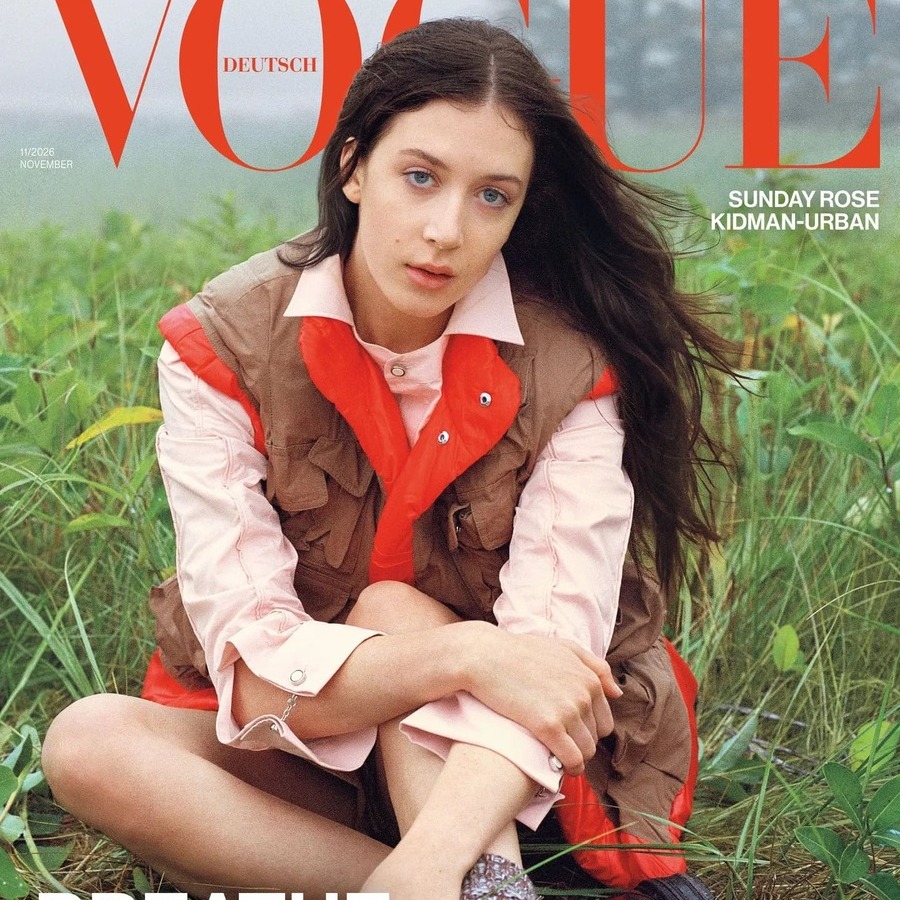
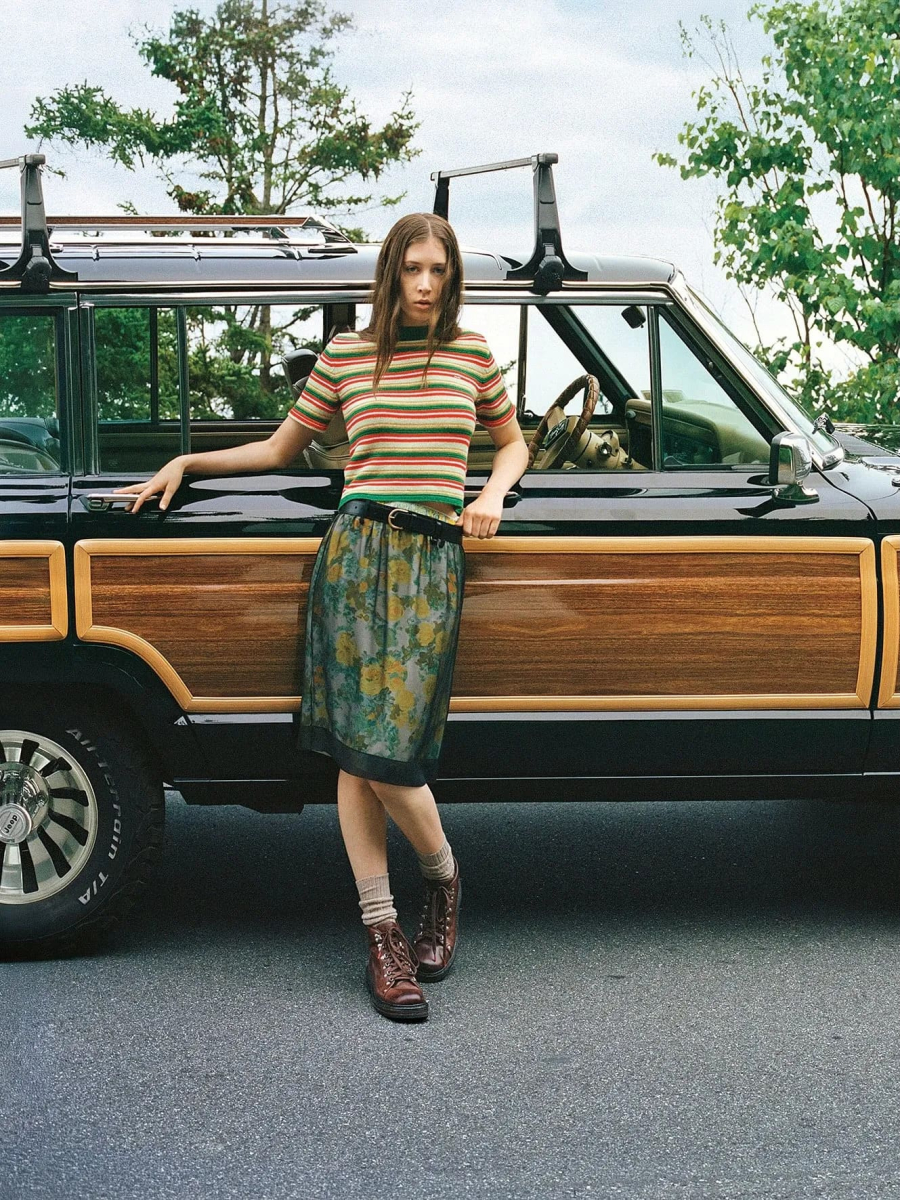
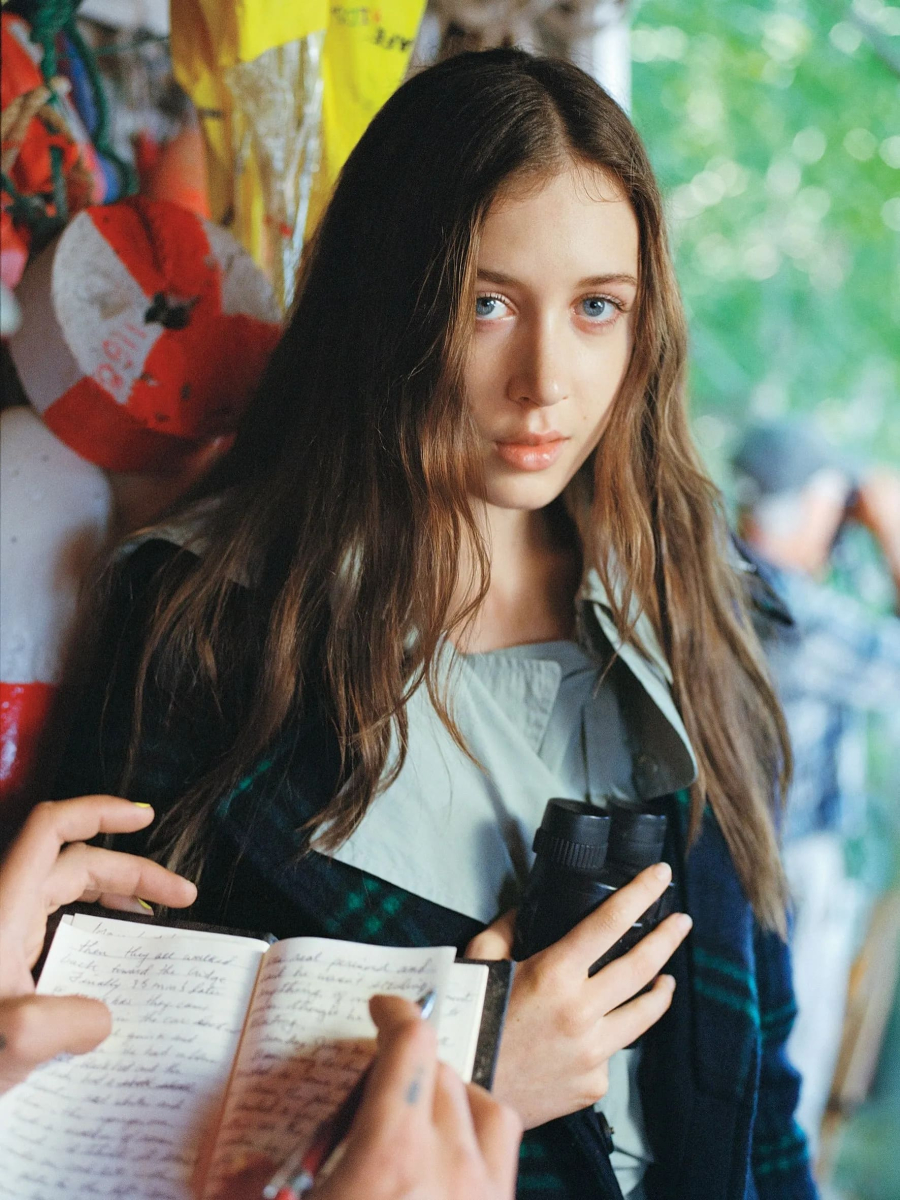
Sunday Rose, the daughter of Hollywood actress Nicole Kidman and musician Keith Urban, features in the latest issue of German Vogue. For the cover, she poses on the grass wearing a pink shirt, a vest, and boots. In other shots from the photoshoot, she appears in a sheer skirt and a trench coat.
At first glance, it seems like another high-profile appearance by a young member of a famous family in the world of high fashion. However, reactions on social media have been far from unanimous.
In the comments beneath the photos, readers criticized both the photoshoot itself and the editorial team’s decision to feature Sunday on the cover. Some were unimpressed by her posing, while others immediately raised questions about the privileges enjoyed by children of famous parents.
“It’s nothing but celebrity kids everywhere,” and “Why her?” some users complained. Others even questioned the expression on her face and her ability to convey the right mood in front of the camera.
For part of the audience, it seems the issue has long gone beyond a few photographs. The Kidman-Urban name has become a starting point for a broader conversation about who gets access to the most coveted opportunities in the fashion industry today.
Nepotism in Fashion: Talent or the Right Connections?
In recent years, the term “nepotism” has become firmly established in the vocabulary of fashion critics. It is used to describe situations in which celebrity children gain access to prestigious projects thanks to their parents’ fame, status, or connections.
Sunday’s story has become another example at the center of this debate. She began her modeling career at 16 and made her runway debut at a Miu Miu show. She later walked for Dior and other brands, as well as appearing in fashion magazines.
For a young model, that is a remarkably fast start. And it is precisely this rapid rise that raises questions among those trying to break into the industry without a famous last name.
For many models, the road to success involves years of castings, rejections, exhausting work, and waiting for an opportunity that may never come. Meanwhile, the daughter of two internationally renowned stars attracts the attention of major brands before she has even had the chance to build a public reputation of her own.
Does that mean Sunday has no potential as a model? Absolutely not. But one question remains: would she have received the same opportunities if her mother were not one of Hollywood’s most famous actresses and her father were not a successful musician?
A famous background does not prove a lack of talent, but talent alone does not mean everyone in the industry starts on an equal footing.
Why Is Vogue Choosing Celebrities More and More Often?
The covers of fashion magazines themselves have become a subject of debate. One social media user remarked, somewhat ironically, that they appreciated German Vogue’s tradition of featuring models on its covers, while many other glossy magazines had long since started favoring celebrities.
It is a comment worth thinking about.
Traditionally, models have been the faces of fashion: they showcase clothing, set trends, and help designers tell stories through their collections. Celebrities, on the other hand, bring a different kind of value: name recognition, an established audience, and a personal story that people want to discuss.
When a famous actress or her daughter appears on a cover, the clothes are only part of the appeal. Readers are also interested in the person’s family, private life, career, and relationships with other celebrities. For media outlets, this is a powerful way to attract attention.
But it raises a dilemma: are famous names pushing professional models aside, even though those models spend years working toward the chance to appear on a cover like this?
Sunday’s latest photoshoot has brought the question back into the spotlight. Judging by the reactions, some readers miss the days when fashion magazine covers were primarily a showcase for models rather than an extension of celebrity culture.
Sunday Rose: An Independent Career or the Legacy of Famous Parents?
This is not the first time Sunday has faced criticism because of her background. Her runway debut, appearances at shows for major brands, and advertising projects have previously sparked debate about how much her famous surname has contributed to her career.
At the same time, she is only at the beginning of her professional journey. Her career is still taking shape, and every new appearance in front of the camera or on the runway inevitably invites comparisons and judgments.
For celebrity children, it can be a catch-22. If they do not take advantage of the opportunities their background provides, they risk missing out on promising projects. If they do take advantage of them, they are accused of having everything handed to them too easily.
Of course, Sunday’s starting opportunities cannot be compared with those available to a young woman whose parents are not famous. But it is equally premature to conclude that her future career will not depend on professionalism, hard work, and her ability to grow.
The main question is not whether she has the right to be a model. Of course she does. The real question is whether other young women are given enough opportunities for their talent to be noticed, too.
From the Runway to the Cover: Why Does This Story Spark So Much Debate?
The controversy surrounding Vogue is part of a wider discussion about how the fashion industry is changing. In the past, audiences often admired the seemingly unattainable world of supermodels. Today, personal stories, family connections, and famous names increasingly capture the public’s attention.
Victoria’s Secret faced similar criticism when the brand began changing the traditional format of its shows and involving bloggers and members of famous families in its projects. Some see this as a natural evolution of fashion, while others view it as a departure from the professional standards that once made those shows iconic.
There is another side to the story, too. Fashion has never existed in a vacuum: it has always been influenced by culture, social attitudes, and what audiences want to see. When celebrities attract more attention, editors and brands take notice.
The problem begins when a famous name becomes more important than the work itself. A Vogue cover is not just a prestigious photograph; it is also a symbol of recognition in an industry where thousands of people are hoping for their big break.
Did Sunday Really Deserve the Vogue Cover?
A definitive answer is unlikely to emerge from social media comments. Some people may dislike the aesthetic of the photoshoot, others may consider it unsuccessful, while others still may see the potential of a young model.
However, it is important to distinguish between two things: a subjective opinion about the photographs and the question of equal opportunity. Disliking a particular cover does not prove that the person featured on it lacks ability. Likewise, a successful photograph does not erase the advantages that come with a famous background.
Sunday Rose Kidman-Urban has appeared on the cover of Vogue, and that alone guarantees her considerable visibility. Whether that attention will turn into a long-term modeling career remains to be seen.
For now, the debate surrounding her photoshoot poses an uncomfortable but important question for the industry: in today’s fashion world, are talent and professionalism still what determine success, or does the shortest route to the top still begin with a famous last name?
And it seems that Vogue’s audience wants an answer not only from the magazine’s editorial team, but from the entire fashion industry.