ONLINE WOMEN’S MAGAZINE
FOOD
There are things that don’t sound very glamorous but quietly change lives. The Harvard healthy eating plate belongs exactly in this category. It doesn’t promise “-5 kg in a week,” it doesn’t sell magical detoxes, and it doesn’t force you to count every calorie with a calculator. Instead, it offers something far more valuable – a clear system for eating daily in a way that actually makes your body work for you.
There are things that don’t sound very glamorous but quietly change lives. The Harvard healthy eating plate belongs exactly in this category. It doesn’t promise “-5 kg in a week,” it doesn’t sell magical detoxes, and it doesn’t force you to count every calorie with a calculator. Instead, it offers something far more valuable – a clear system for eating daily in a way that actually makes your body work for you.
The Harvard Plate is a simple visual model of balanced nutrition, created by experts from the Harvard School of Public Health based on extensive research into how diet affects the human body.
The idea is very simple:
No magic. Just proportions that work.
The biggest mistake is treating the Harvard Plate as another diet. It’s not about restrictions, but about balance.
You don’t need every meal to look like a restaurant dish. It can be:
And if fruit doesn’t feel right after lunch – that’s okay. You can eat it later. It’s not a competition, but a flexible system.
This is the foundation that quietly does the most important work in the body.
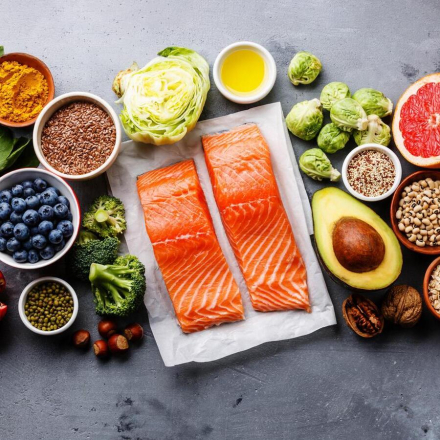
Broccoli, tomatoes, carrots, cucumbers, zucchini, apples, pears, citrus fruits – the more variety, the better.
Why it matters:
And yes – even potatoes are not the enemy. They contain potassium, magnesium, and vitamins, and when prepared properly, they can be part of a balanced diet.
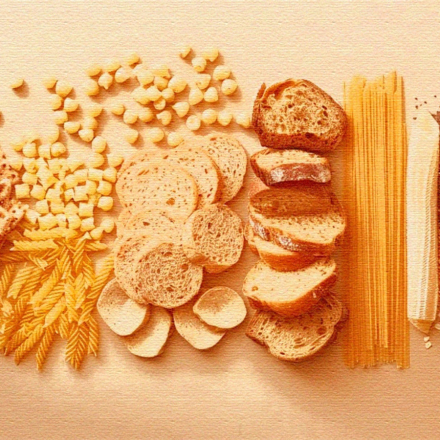
These are the “slow” carbohydrates that provide steady energy without blood sugar spikes.
They include:
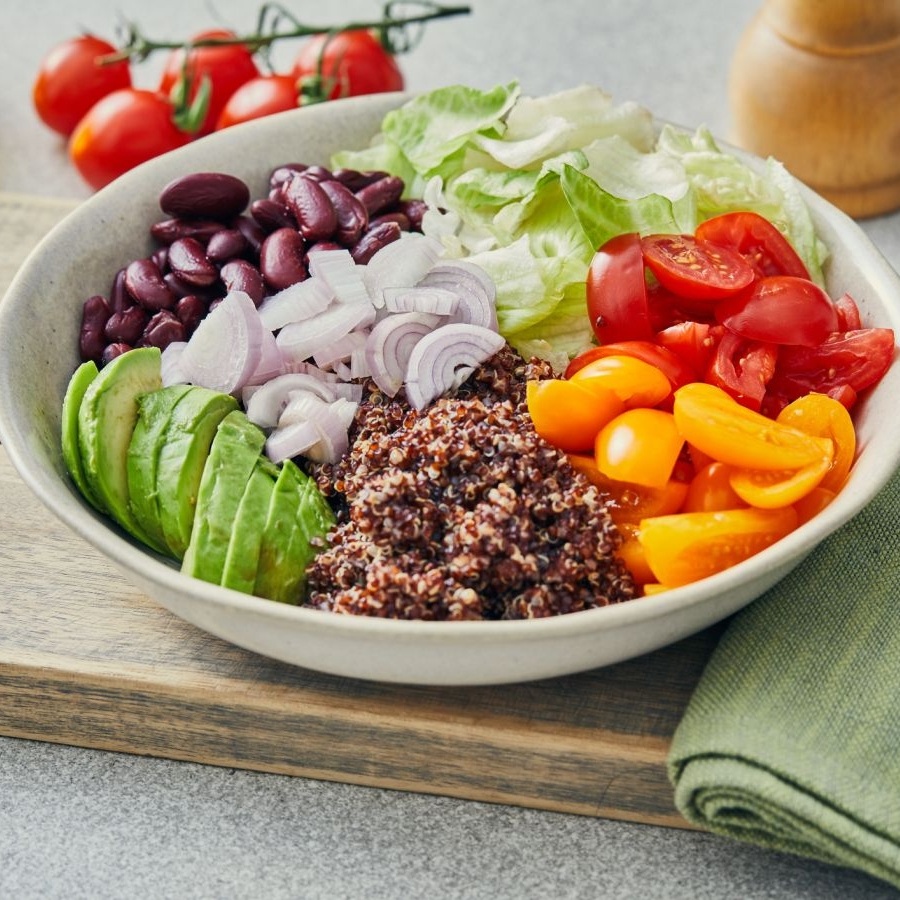
buckwheat, oats, bulgur, quinoa, brown rice, whole grain pasta, barley, and other grains.
Benefits:
Even a simple bowl of porridge suddenly becomes part of a modern well-being routine.
Protein is not just for the gym. It is literally the building material of the body.
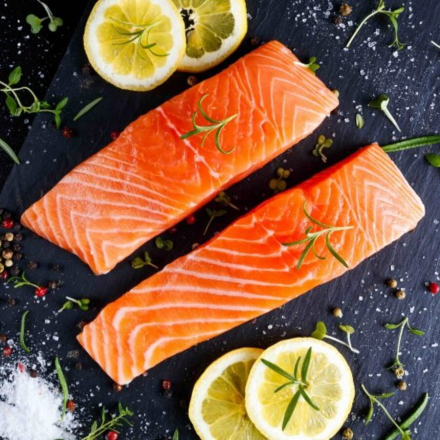
Chicken, turkey, fish, eggs, legumes, nuts, soy – all of these are important for:
Processed meats and excessive red meat should remain occasional exceptions rather than daily staples.
Plant oils (olive, sunflower, rapeseed) in moderation are fine.
Water should always be the main drink. Tea and coffee – without sugar. Sugary drinks are the exception, not the norm.
It sounds simple, but simple things are often the hardest to change.
Most importantly: the Harvard Plate is not a weight-loss diet.
It is about diet quality.
Weight loss is only possible with a calorie deficit. However, this system helps make the process healthier and less stressful:
The Harvard Plate is not about control. It is about clarity.
When you stop thinking in terms of “allowed/forbidden” and start thinking “balance/structure,” food stops being chaos.
And perhaps that is its greatest strength.
Are you a man?
Visit MEN'S CULT