ONLINE WOMEN’S MAGAZINE
FOOD
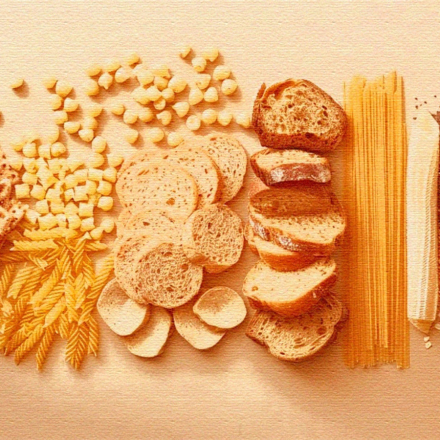
White flour is almost everywhere — which is exactly why we barely notice it. Morning toast, pasta for lunch, a quick pastry on the go, biscuits with tea: all of this feels so normal that we don’t think of it as something that affects how we feel.
White flour is almost everywhere — which is exactly why we barely notice it. Morning toast, pasta for lunch, a quick pastry on the go, biscuits with tea: all of this feels so normal that we don’t think of it as something that affects how we feel.
But even small changes in your diet can make your body start “talking” to you differently. No dramatic transformations — just shifts in energy, mood, and even the way you look in the mirror.
Here’s what women most often notice when they reduce or eliminate white flour products.
White flour causes a rapid spike in blood sugar followed by a quick drop. This creates the familiar rollercoaster: energy → fatigue → desire to eat again.
Without these foods, the day becomes more stable. The feeling of being “knocked out” after meals disappears, and energy is distributed more evenly.
These products contain very little fiber, so satiety doesn’t last long.
A pastry or plate of pasta may feel like a full meal, but hunger often returns quickly — sometimes out of habit rather than real need.
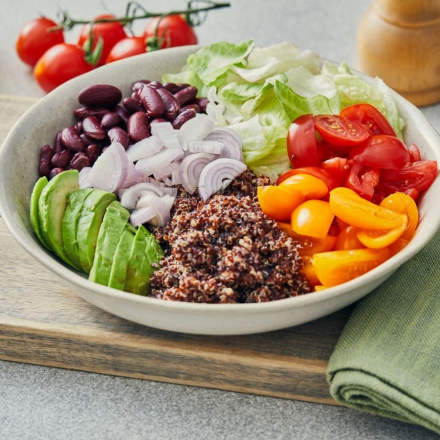
With a more balanced diet, fullness lasts longer and snacking becomes less automatic.
The more processed foods you eat, the heavier the load on your digestive system.
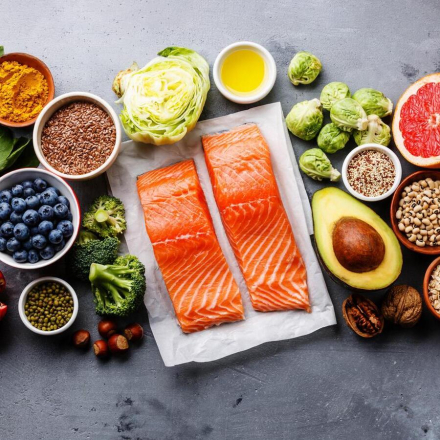
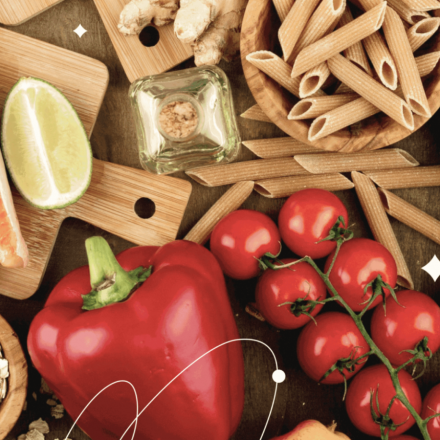
When they are reduced and replaced with whole foods, many people notice easier digestion and less discomfort after eating.
Skin often reflects internal processes, including diet.
Excess refined carbohydrates may increase inflammation, make skin tone less even, or create a tired appearance.
After dietary changes, the skin often looks calmer: fewer breakouts, less puffiness, and a more even tone.
It’s not just about calories, but about how food affects appetite.
Without sharp blood sugar spikes, the “I need more food right now” feeling fades.
It becomes easier to recognize fullness and avoid eating on autopilot.
White flour and sugar often reinforce each other in eating habits.
The more fast carbs you consume, the stronger the craving for sweets becomes. When reduced, that craving becomes less frequent and less obsessive.
Blood sugar fluctuations affect not only the body but also emotions.
After meals, irritability or fatigue may appear. With a more stable diet, these mood swings become less frequent.
When energy is stable, it’s easier to stay focused.
Less post-meal fatigue, less procrastination, and fewer distractions.
The most interesting effect is not physical but internal.
You start noticing how your body truly responds: what gives you energy, what drains you, and what affects your mood.
Food stops being a set of rules and becomes a personal system of self-observation.
And that is perhaps the greatest benefit — not restrictions, but awareness.
Are you a man?
Visit MEN'S CULT