ONLINE WOMEN’S MAGAZINE
FOOD
When we hear the word “cholesterol,” most of us immediately think of fatty foods, heart attacks, and strict diets. Some people become afraid of every egg yolk, others spend money on expensive supplements that promise to “clean the arteries,” while many believe that if they are slim and feel healthy, cholesterol simply isn't their concern.
When we hear the word “cholesterol,” most of us immediately think of fatty foods, heart attacks, and strict diets. Some people become afraid of every egg yolk, others spend money on expensive supplements that promise to “clean the arteries,” while many believe that if they are slim and feel healthy, cholesterol simply isn't their concern.
In reality, the truth is both more complex... and much simpler.
Cardiologists have long emphasized that cholesterol is surrounded by more myths than facts. We gathered the questions many people are hesitant to ask and explain what modern medicine actually says.
Unfortunately, no.
That's exactly what makes high cholesterol so dangerous.
It doesn't hurt.
It doesn't itch.
It doesn't cause weakness or dizziness.
In most cases, people can live with elevated cholesterol for years without noticing anything unusual until a serious cardiovascular event—such as a heart attack or stroke—occurs.
Some people develop yellowish deposits around the eyes or other visible signs, but these are relatively uncommon. The only reliable way to know your cholesterol level is through a blood test.
Because prevention is always more effective than treatment.
Health experts recommend checking your lipid profile at least once during adulthood, even if you feel completely healthy. If your family has a history of early heart attacks, strokes, diabetes, or high cholesterol, regular screening becomes even more important.
The earlier a problem is detected, the greater the chances of preventing cardiovascular disease.
Absolutely—and this surprises many people.
Excess body weight is only one of many risk factors.
Cholesterol levels are also influenced by:
That means even someone who eats well, exercises regularly, and maintains an ideal weight may still have elevated LDL ("bad") cholesterol.
That's why appearance alone is never a reliable indicator.
Not at all.
Without cholesterol, the human body simply couldn't function.
It is essential for:
The real issue isn't cholesterol itself, but excessive levels of certain cholesterol particles—particularly low-density lipoproteins (LDL), commonly known as "bad" cholesterol.
These particles can accumulate inside arteries and contribute to the development of atherosclerosis.
Not necessarily for everyone, but when statins are prescribed based on clear medical indications, treatment is often long-term.
Statins don't permanently "cure" cholesterol. Instead, they help control its levels and significantly reduce the risk of heart attacks and strokes.
The popular belief that statins "destroy the liver" is not supported by modern scientific evidence. For most patients, these medications are considered safe when properly prescribed and monitored by a physician.
Not entirely.
About 80% of the body's cholesterol is produced naturally by the liver, while only a smaller portion comes from food.
That doesn't mean diet doesn't matter. Diets high in trans fats, ultra-processed foods, and excess calories can increase the risk of abnormal cholesterol levels and cardiovascular disease.
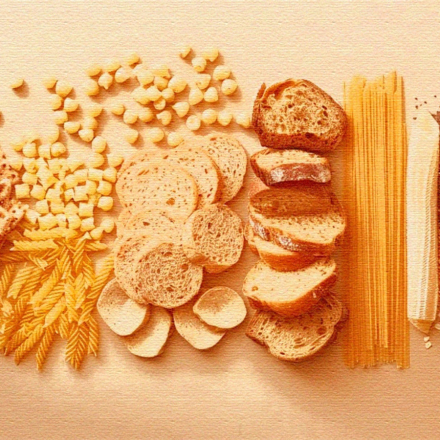
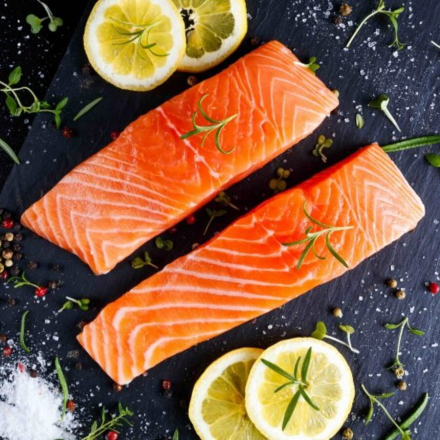
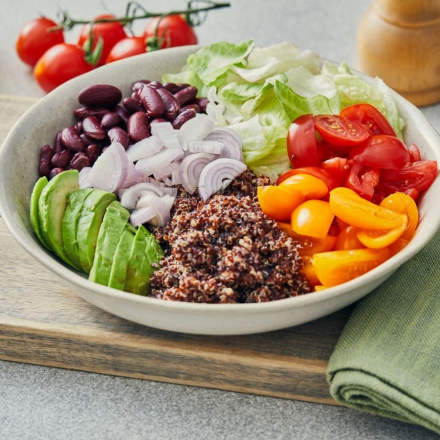
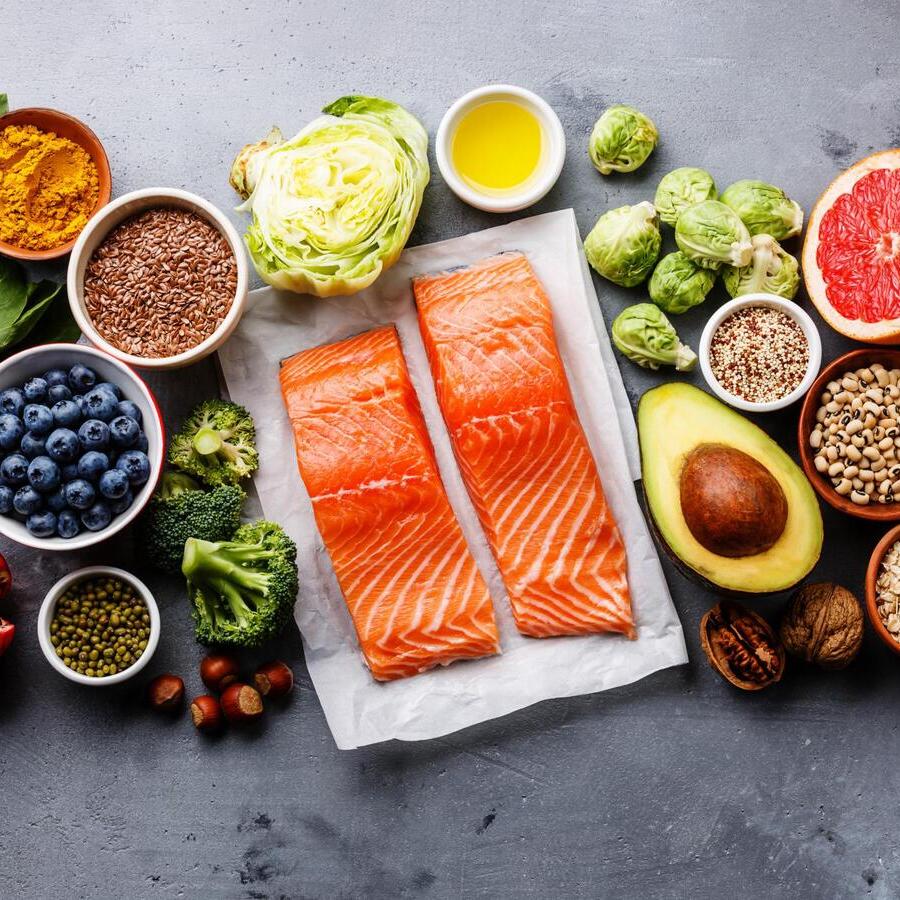
However, extremely restrictive diets aren't a miracle solution either. The healthiest approach is a balanced eating pattern rich in vegetables, fruits, whole grains, legumes, fish, and healthy fats.
For many people, this is welcome news.
If coffee doesn't cause palpitations or other unpleasant symptoms, moderate consumption is generally considered safe for heart health.
Moreover, current research does not support the idea that coffee itself increases the risk of cardiovascular disease.
As with most things, moderation is key.
This myth has existed for decades.
Yes, egg yolks contain cholesterol. However, eggs are also an excellent source of high-quality protein, vitamins, and essential minerals.
Today, most dietary guidelines no longer recommend that healthy individuals avoid eggs altogether. Overall dietary quality matters far more than any single food.
Unfortunately, no.
No single food can instantly clean out your arteries.
However, certain eating habits do support healthier cholesterol levels. Experts recommend including more:
These foods are not a substitute for medical treatment when it's needed, but they are an important part of a heart-healthy lifestyle.
The desire for a simple solution is understandable.
However, there is currently no convincing scientific evidence that popular dietary supplements reduce the risk of heart attacks or strokes as effectively as medications prescribed by a healthcare professional when clinically indicated.
What's more, taking supplements without medical supervision can also pose health risks.
That's why, if your doctor recommends treatment, it's important not to replace it with internet advice or supposedly "miracle" remedies.
Are you a man?
Visit MEN'S CULT