ONLINE WOMEN’S MAGAZINE
LOVE
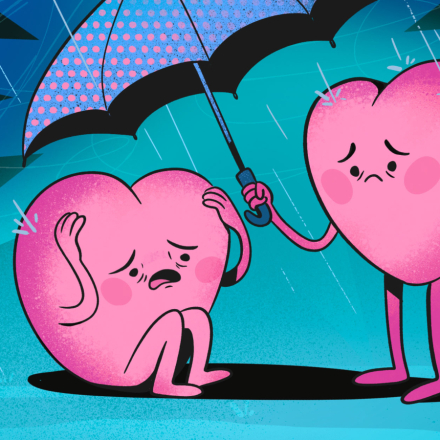
Have you ever noticed how a simple word or comment can hurt more than it seems at first? Your heart reacts instantly: you feel the urge to defend yourself, get upset, or withdraw. But it’s precisely in these moments that you have a choice — not to let resentment control your emotions and actions.
Have you ever noticed how a simple word or comment can hurt more than it seems at first? Your heart reacts instantly: you feel the urge to defend yourself, get upset, or withdraw. But it’s precisely in these moments that you have a choice — not to let resentment control your emotions and actions.
Here are six ways to gradually develop the habit of choosing love instead of resentment, even when conversations get tough.
The first reaction to unpleasant words is usually immediate: you want to respond in kind or shut down. Try pausing for a moment and asking yourself: “What’s behind these words? Why is this person speaking this way?”
Often, behind harsh words is fatigue, fear, stress, or insecurity — not the intention to hurt you. For example, a friend says, “You’re late again, as always.” Instead of reacting sharply, try showing curiosity: “Was it hard for you to wait? Would you have liked to spend more time together?” Curiosity softens conflict and turns the conversation into a bridge to understanding.
Resentment rarely appears out of nowhere. It clings to old wounds or feelings of insecurity. Even an innocent comment can awaken past emotions.
For example, if you were often criticized for “messiness” as a child, a colleague saying “Try to be neater next time” might trigger a surge of emotions. Recognizing your triggers helps you pause automatic reactions and regain emotional control.
All emotions come from two sources: fear or love. Fear builds walls, pushes others away, and provokes conflict. Love opens doors: it helps you listen, understand, support, and be patient.
If your boss raises their voice over a late report, it’s natural to feel scared or irritated. But you can notice that their harshness comes from fear of their superiors rather than your mistake. A calm response creates cooperation instead of conflict. Love transforms aggression into dialogue, building trust and harmony.
Love isn’t just a feeling — it’s a habit you can train like a muscle. Listen fully, smile, say “thank you,” show attention. Even small actions strengthen your “love muscle.”
For example, if a loved one leaves a mug on the table, you can get annoyed or gently remind them. Over time, difficult conversations stop being a source of stress and become opportunities to be heard and understand the other person.
Resentment is a burden we carry ourselves. Forgiveness frees you from the past, without justifying the other person’s actions, and allows you not to poison yourself.
If a friend once said something hurtful, forgiveness helps you see them anew, not through the lens of old pain. It’s a long process, but it brings lightness and inner freedom, allowing you to choose gentleness and love instead of habitual defense.
Imagine a jar inside you. Every time you react with resentment, a stone falls in, weighing down your inner state. Every time you choose love, gentleness, or understanding, light and warmth are added.
Even a few gentle responses throughout the day can turn your inner jar into a source of strength. It supports you in the toughest conversations and transforms stress into a resource that helps you stay calm and clear-headed.

Are you a man?
Visit MEN'S CULT