ONLINE WOMEN’S MAGAZINE
LOVE
In relationships, we often argue not because one person is right and the other is wrong. Sometimes the reason is much simpler—we're looking at the exact same situation from completely different perspectives.
In relationships, we often argue not because one person is right and the other is wrong. Sometimes the reason is much simpler—we're looking at the exact same situation from completely different perspectives.
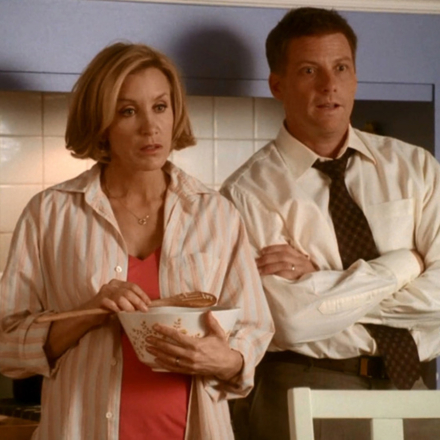
He thinks: "I'm just exhausted and need a little peace and quiet."
She longs for warm, reassuring words.
He expresses his love through actions.
She wants to feel heard.
He wants to solve the problem.
In that moment, two people who genuinely love each other can find themselves standing on opposite sides of an invisible wall.
The good news is that this wall can be torn down. You don't have to change your partner's personality—you simply need to learn to understand them better.
When discussing differences between men and women, it's important to remember one thing: every person is unique. There are no universal rules that apply to everyone.
That said, psychologists have long observed certain patterns shaped by history, culture, and upbringing.
For thousands of years, men's roles were often associated with protection, providing resources, and solving difficult problems. Society expected men to be strong, resilient, and capable of making quick decisions.
Women's roles, traditionally, were more closely connected with creating a comfortable home, caring for children, and nurturing emotional bonds within the family.
Although these roles continue to evolve, many habits and ways of responding to situations still influence how people think and behave today.
That's why men and women can sometimes seem as though they're speaking completely different languages.
For many men, the natural response to a problem is to find a solution.
If someone they love talks about having a difficult day, they may immediately begin offering suggestions:
— Try doing this.
— Maybe this approach will help.
— I can help you solve the problem.
To him, that's an expression of love.
His thinking is simple: "If I'm helping you find a way forward, it means I'm here for you."
Many men tend to express their feelings through actions rather than words:
For many men, these needs are especially important:
Respect
They want to feel appreciated and know that their efforts and contributions are valued.
Recognition
It's important for them to know that their hard work doesn't go unnoticed.
Trust
Feeling that their partner believes in them often means more than they can put into words.
Personal Space
Even in a loving relationship, many men need time for themselves, their hobbies, and their personal interests.

Are you a man?
Visit MEN'S CULT