ONLINE WOMEN’S MAGAZINE
LOVE
From childhood, we’re told the same story over and over again. It may begin in different ways: with a princess waiting for her hero or a young woman who unexpectedly meets “the one.” But the ending is almost always the same — a wedding, a happy life together, and not a single doubt.
From childhood, we’re told the same story over and over again. It may begin in different ways: with a princess waiting for her hero or a young woman who unexpectedly meets “the one.” But the ending is almost always the same — a wedding, a happy life together, and not a single doubt.
We grow up believing that life’s ultimate goal is to find the right person. Once that happens, everything else is supposed to fall into place on its own.
Reality, however, is far more interesting.
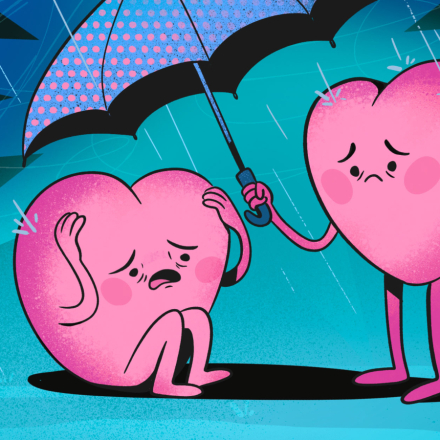
You may have a caring, attentive, and loving partner by your side. Your relationship is healthy, disagreements are handled calmly, and you support each other through everything… Yet deep inside, a quiet question remains:
“Why don’t I feel truly happy?”
Asking yourself this question doesn’t make you ungrateful or “broken.” It simply means that life is far more complex than any romantic fairy tale.
Falling in love is easy. Believing that love will solve every problem is even easier.
We imagine that once “the right person” enters our lives, everything will instantly become brighter. Anxiety will disappear, every day will feel fulfilling, and happiness will finally arrive.
But relationships cannot replace everything else.
They won’t give you a career you truly love, bring back a forgotten dream, heal emotional burnout, or help you rediscover yourself if you've lost touch with your own desires.
Even the happiest couples don't live on love alone.
Imagine your life as a table.
It stands on several legs:
Your relationship is one of those supporting legs. An important one—but not the only one.
If the others begin to weaken, even the strongest partnership cannot hold the entire structure together.
That’s why someone can be deeply loved and still feel unhappy overall.
And that’s perfectly normal.
A few decades ago, many believed a relationship was good enough if a man remained faithful, brought home a paycheck, and didn’t raise his voice.
Today, our expectations are different.
We value respect, trust, emotional support, honest communication, and genuine intimacy.
That’s wonderful.
But there’s one important detail.
We’ve become so fascinated with the idea of a “healthy relationship” that we sometimes mistake it for the ultimate definition of happiness.
In reality, it’s simply the foundation.
Just like clean air or a good night’s sleep.
Without them, it’s difficult to live well.
But by themselves, they don’t automatically make life extraordinary.
Many people believe that meeting the right partner will automatically make them happy.
Psychologists increasingly suggest otherwise.
Happiness isn’t a reward for choosing the right person.
It’s a way of engaging with life.
Some people know how to appreciate small moments, find meaning in ordinary days, and support themselves through difficult times.
Others remain dissatisfied no matter how wonderful their relationship may be.
Your partner can walk beside you.
But they cannot live your life for you.
Imagine a woman who has dreamed for years of starting her own business.
She’s in a wonderful relationship.
But for the sake of her family, she keeps postponing her plans.
One year passes.
Then another.
Eventually, she begins to feel an emptiness inside.
Does that mean she has stopped loving her partner?
Not at all.
She simply misses the opportunity to fulfill her own ambitions.
Those are two completely different things.
Sometimes we blame our relationships for feelings that actually stem from our careers, personal growth, exhaustion, or emotional burnout.
For some people, the perfect evening is watching a favorite series together with a cup of tea.
For others, it’s buying last-minute tickets to another country.
Some crave stability.
Others need adventure.
Some experience love through peace and security.
Others have learned to confuse it with emotional roller coasters.
That’s why healthy relationships can sometimes feel... boring.
Not because they’re unhealthy.
But because our ideas about love were shaped by movies, novels, and dramatic stories where real passion always came with jealousy, conflict, and emotional reconciliations.
In real life, love is often much quieter.
Sometimes it’s worth honestly asking yourself:
Am I living the life I once dreamed about?
Do I have passions outside my relationship?
When was the last time I did something just for myself?
Am I expecting my partner to give me something I should be giving myself?
Questions like these may prove far more valuable than searching for yet another list of “secrets to the perfect marriage.”
The happiest women rarely build their entire identity around being someone’s partner or wife.
They have dreams.
Friends.
A career or meaningful work.
Travel.
Books.
Sports.
Creative passions.
They know how to remain themselves, even while deeply loving someone else.
That’s why their happiness doesn’t depend on a single factor.
A healthy relationship is an incredible gift. It offers support, security, warmth, and the comforting feeling that someone will stand beside you no matter what.
But it cannot replace your entire world.
And that isn’t a flaw in love.
It’s a reminder that happiness is created not only between two people—but also within each of us.
Perhaps the biggest mistake is believing that someone else will one day hand us a happy life. In reality, the strongest relationships are built when two people already know how to be happy on their own—and simply make each other’s lives even brighter.

Are you a man?
Visit MEN'S CULT