ONLINE WOMEN’S MAGAZINE
LOVE
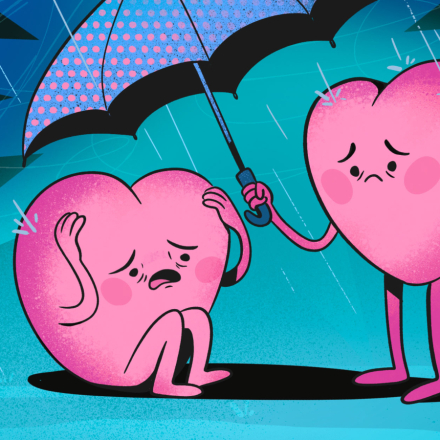
Breaking up is always hard. But there are ways of ending a relationship that leave resentment and confusion lingering for a long time. They might seem modern and “cool,” but in reality, they cause more pain than an honest conversation. Let’s look at the most toxic ones.
Breaking up is always hard. But there are ways of ending a relationship that leave resentment and confusion lingering for a long time. They might seem modern and “cool,” but in reality, they cause more pain than an honest conversation. Let’s look at the most toxic ones.
Benching is when someone doesn’t want to grow the relationship but also doesn’t fully end it. You’re like on a “bench”: waiting for someone better to come along while living in an illusion of a relationship. The bencher comes back periodically, floods you with messages, promises meetings—but nothing really changes.
How to recognize it: The main sign is that life is stagnant. If events aren’t progressing and emotions are on a rollercoaster, it’s time to ask yourself honestly: “Are our relationship moving forward at all?”
Banking is a gradual distancing while pretending everything is fine, until the partner suddenly disappears without explanation. Like a Banksy painting sold and almost immediately destroyed, the partner’s disappearance comes as a shock.
How to recognize it: Warning signs can be subtle—fatigue, busyness, irritability—but the key moment is the sudden disappearance and refusal to discuss the problem.
Ghosting is when the partner simply vanishes without warning. No signs of cooling off, no preparation. For the person left behind, it’s a total shock.
How to recognize it: If someone stops answering calls and messages for a long time without a clear reason, it’s likely ghosting. Trying to find an explanation is often pointless: usually, the partner just decided to disappear.
Submarining is “ghosting 2.0.” The person disappears and then suddenly resurfaces as if nothing happened. No explanations, questions are ignored. Sometimes they try to make amends, but often the same pattern repeats.
How to recognize it: The return happens without change, with phrases like “So what?” — a clear sign of toxic behavior.
Scrooging is a temporary breakup before the holidays to avoid spending money, visiting family, or simply to have fun separately. Named after Scrooge from “A Christmas Carol.”
How to recognize it: A breakup right before the holidays with attempts to “reconnect” afterward. Often seen in people who prioritize expenses over emotions and care.

Are you a man?
Visit MEN'S CULT