ONLINE WOMEN’S MAGAZINE
ENTERTAINMENT
Marilyn Monroe died at just 36 years old. But what if her story had actually been only the first chapter?
Marilyn Monroe died at just 36 years old. But what if her story had actually been only the first chapter?
It is a question that sounds almost like a fantasy. We know Marilyn as a legend, an icon, a woman whose image outlived her. We remember the white dress, the platinum hair, the famous smile, the unmistakable voice. But behind the image of the sex symbol was a real person — an actress who could be strange, funny, spontaneous, talented, vulnerable, and incredibly alive.
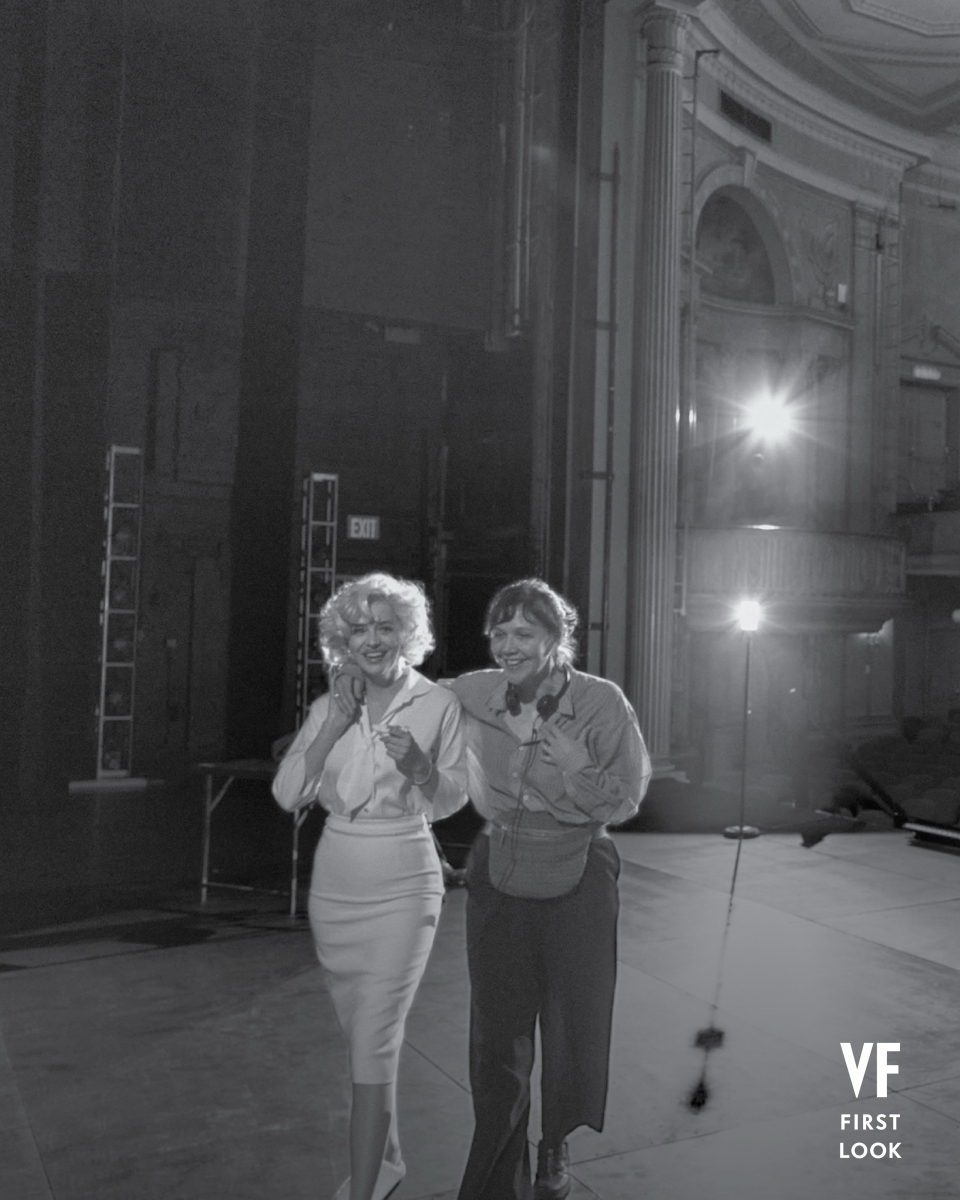
It is this other Marilyn that director Maggie Gyllenhaal decided to explore. Not the woman everyone knows. But the woman she might have become.
The idea began with a proposition that might have made even a very confident director stop and think. Gyllenhaal was asked to write and direct a short film inspired by Marilyn Monroe.
Her first reaction was not an enthusiastic “yes.”
Quite the opposite.
She thought: “I don’t know if I’m the woman for the job.”
And perhaps that uncertainty became the perfect starting point. After all, creating yet another story about Marilyn and trying to explain the phenomenon of her persona would have been too easy. It was far more interesting to ask a question that has no right answer.
What might have happened if Marilyn had not died at 36?
What if she had been given another ten years? Twenty? Forty?
Who would she have become when her beauty was no longer her greatest asset? What roles would she have chosen? What films would she have made? Would she have allowed herself to grow older in public? Would she finally have been able to stop being Marilyn Monroe for everyone around her and simply become herself?
As she worked on the film, Gyllenhaal began researching the actress’s life and career more deeply. And she discovered a woman far more complex than the familiar Hollywood myth.
To the director, Monroe’s acting was at once strange, wild, joyful, and painful. Within her, contradictions could exist side by side — things we usually try to keep separate: comedy and tragedy, sensuality and loneliness, strength and vulnerability.
And perhaps that is exactly why Marilyn still feels so incredibly modern.
Even today, women are often expected to navigate contradictory demands. To be beautiful, but not too focused on their appearance. To be strong, but still gentle. To be successful, but never seem threatening. To be desirable, but not allow others to define their worth solely through their looks.
Marilyn lived in an era when these contradictions were especially cruel. But her story still resonates so deeply because we recognize something familiar in it.
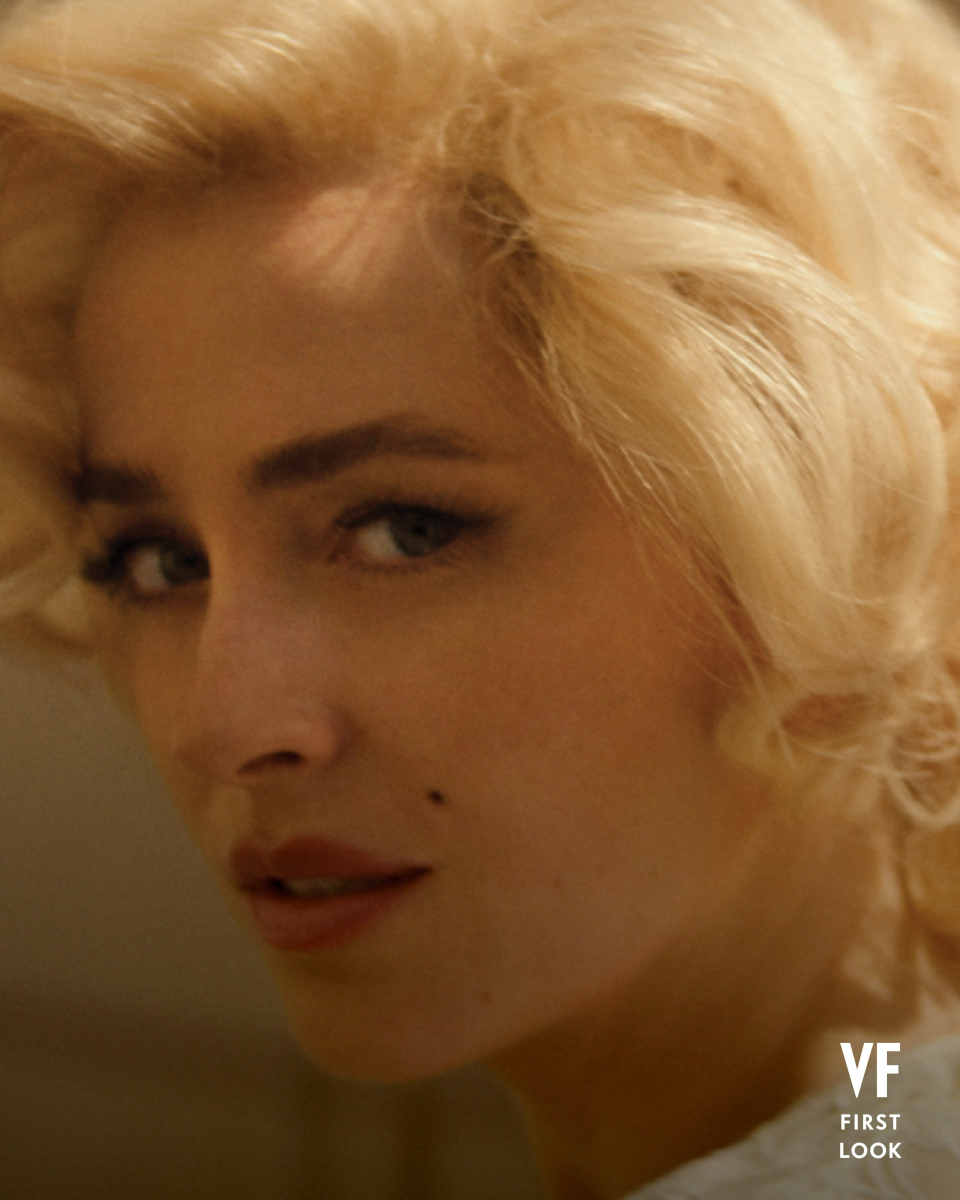
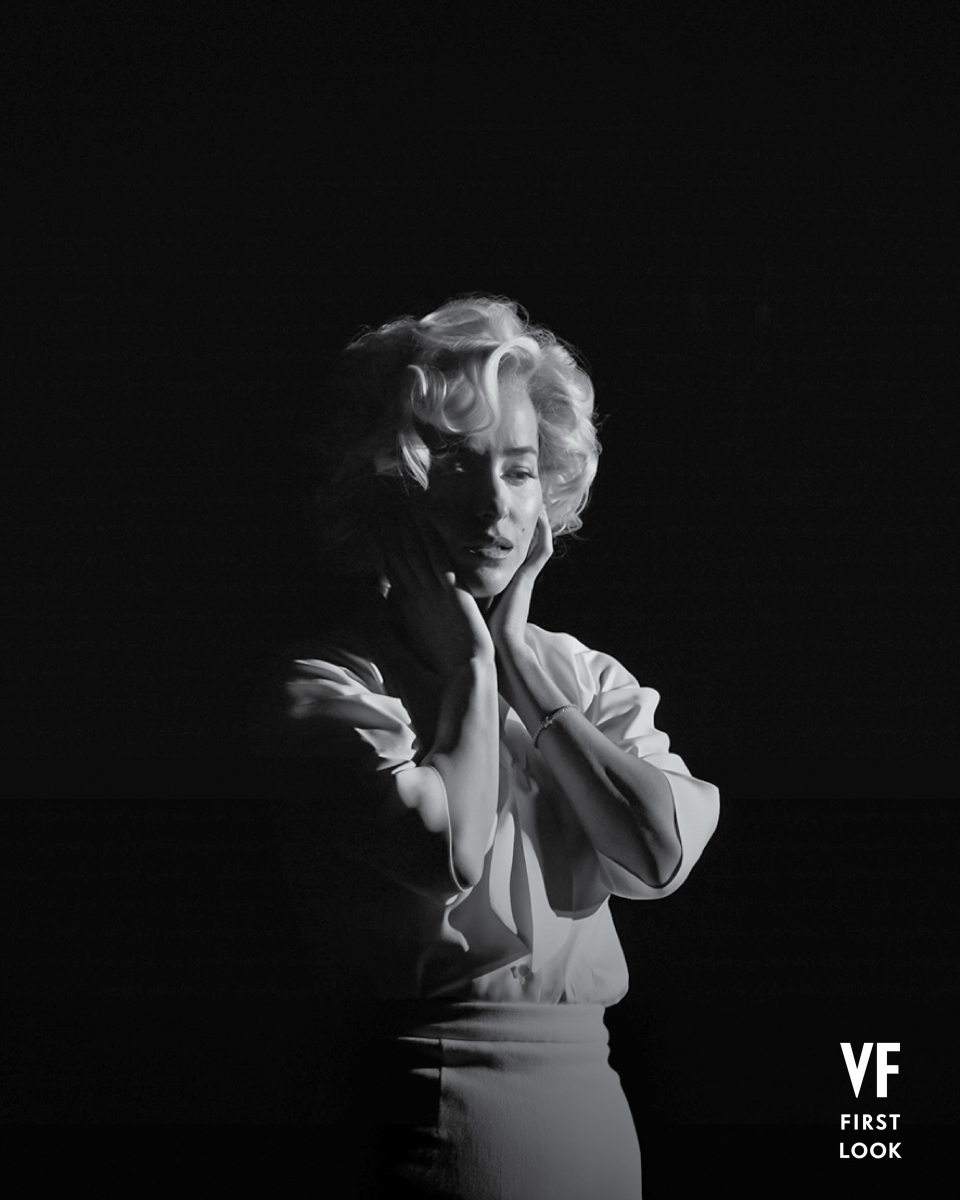
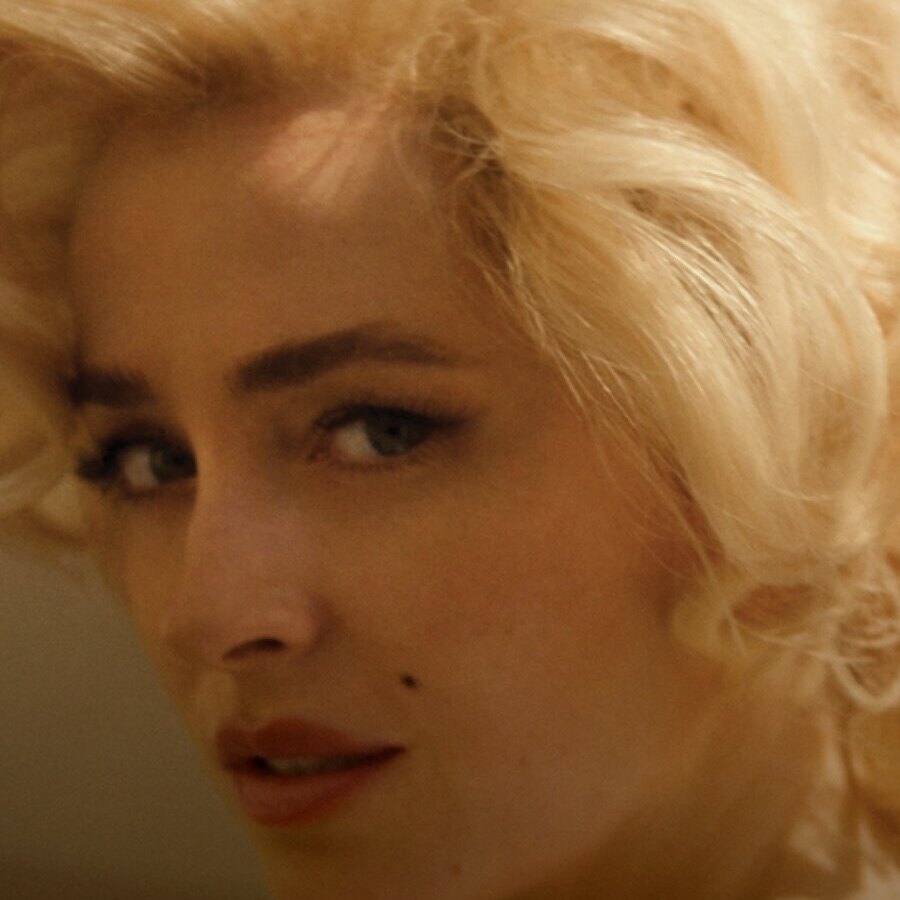
And so “Flesh Impact” was born — a 17-minute short film that could be described as a kind of love letter to Marilyn Monroe.
But this is not a biography in the traditional sense.
It is more like a conversation with an alternate reality.
At the heart of the story are two versions of Marilyn, played by Ellen Burstyn and Dakota Johnson. Two actresses. Two ages. Two possible paths. And one woman whose real story ended far earlier than it ever needed to.
This approach transforms the film into something more than a simple fantasy about a celebrity. It encourages us to think about the very idea of a woman’s life.
Because we so often talk about women in terms of who they were when they were young. As if their story ends after a certain age. As if the most interesting things about a person must happen before she stops fitting someone else’s idea of beauty.
But what would Marilyn have been like at 50? At 60? At 70?
Perhaps she would have become even bolder.
Perhaps she would have directed her own films.
Perhaps she would have played women who barely existed in Hollywood at the time.
Or perhaps she would have left the film industry altogether.
The most important thing is that she would have had a choice.
For Gyllenhaal, the film became much more than a conversation about one particular legend. “Flesh Impact” is also a reflection on actresses in general — on a profession that offers immense power while making a person incredibly vulnerable.
An actress steps in front of a camera and allows millions of people to look at her. Her face. Her body. Her voice. Her emotions. Her fears.
And at the same time, the industry can decide at any moment that she no longer fits a certain image.
Too young.
Too old.
Too beautiful.
Not beautiful enough.
Too sexy.
Not sexy enough.
Too strong.
Too complicated.
Marilyn Monroe became one of the most famous women of the 20th century partly because her image matched the fantasies of millions of people. But perhaps the world never had the chance to discover who she might have become if she had simply been given more time.
There is something deeply personal about this story, even for women who have never been actresses.
Because the question “What if?” is familiar to almost every woman.
What if I hadn’t said yes back then?
What if I had left?
What if I had stayed?
What if I had started all over again at 30?
At 40?
At 50?
Perhaps that is why Marilyn’s story still refuses to let us go. Her life ended too soon, and our imagination keeps trying to write the next chapter.
Gyllenhaal is not doing this to create an idealized version of the legend. What interests her is the possibility of a different future.
A future in which a woman is allowed to change.
A future in which an actress has the right to be many different things.
A future in which a famous woman is not expected to remain forever the version of herself that the public once loved.
Perhaps the saddest thing about Marilyn Monroe’s story is not even that she died young.
It is that we will never know who she might have become.
We will never see the wrinkles that would have appeared with age. We will never hear her voice at 60. We will never know how her views on love, fame, motherhood, loneliness, or art might have changed.
We will never see her as a mature woman who no longer needs to prove to the world that she deserves to be heard.
And that is precisely why “Flesh Impact” feels so symbolic.
This is a film not so much about death as it is about the possibility of life.
About all the roads we might have taken.
About all the versions of ourselves that remain somewhere in the future.
And perhaps about the greatest luxury Marilyn never had: the time to become someone else.
Because sometimes the best way to honor a legendary woman is not to try to preserve her forever as young.
It is to imagine who she might have been if she had simply been allowed to live.
Are you a man?
Visit MEN'S CULT